
Knowledge
How Cue Weight Affects Your Game
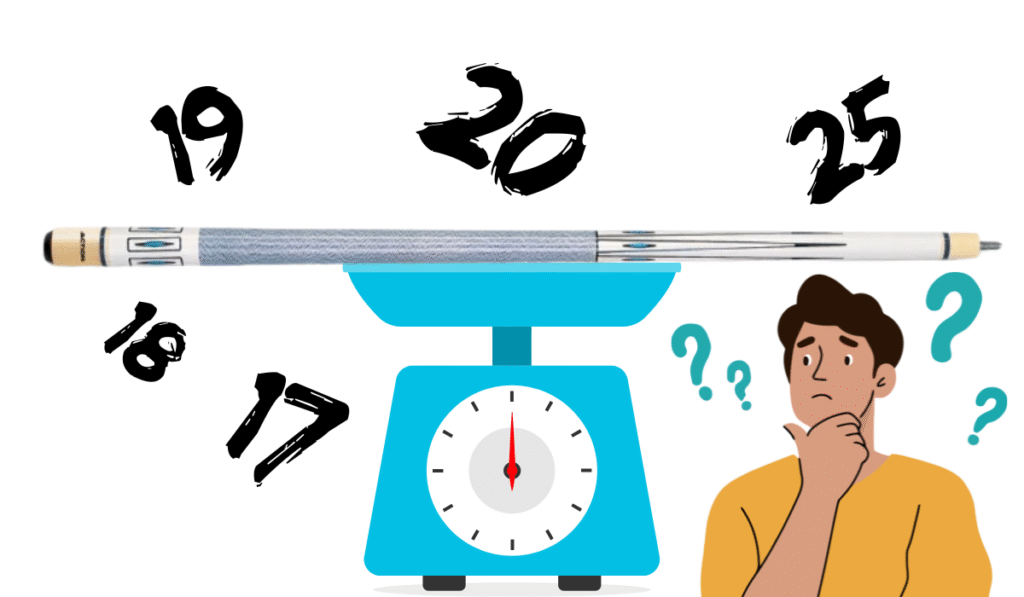
Cue weight is one of the most overlooked factors in how well you play, yet it affects every stroke you take. Many players struggle with inconsistent control, missed long shots, and a cue that simply doesn’t feel right in their hands and they never realize the weight is the real issue. The wrong cue weight can make your stroke feel tense, cause your arm to tire quickly, and make cue-ball control harder than it needs to be.
In this article, you’ll learn how cue weight truly affects accuracy, feel, balance, and long-session comfort. You’ll also discover how small weight changes impact your stroke and how to choose the weight that actually fits your game. Let’s get started.
Key Takeaways
- Cue weight influences accuracy, control, stroke comfort, and long-term consistency.
- Most players and most professionals play between 18 and 20 oz because it balances power and control.
- Lighter cues give more feel but require cleaner technique; heavier cues offer stability but reduce finesse.
- Longer cues often need slightly higher weight to maintain balance.
- Even small adjustments (0.3–0.5 oz) can significantly change how the cue performs.
- The best cue weight is the one that feels natural, stable, and comfortable over long sessions.
The Typical Weight Range
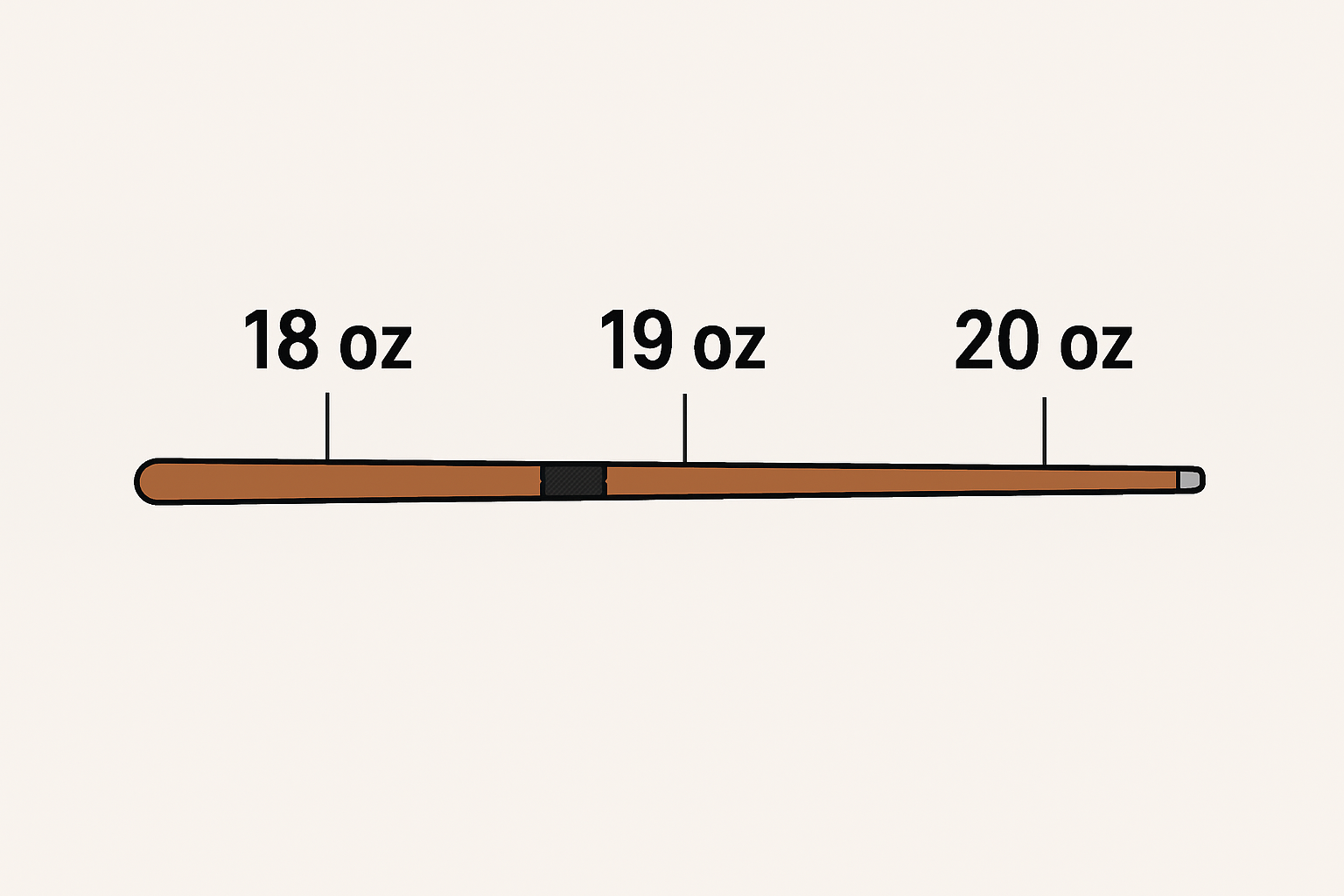
Most cues fall somewhere between 18 and 20 ounces.
Many professionals stay within this range as well, because it offers a balance between power and control.
My own cue usually sits around the middle of that range because I can generate cue speed without feeling like I’m fighting the weight of the cue, but it still gives me the stability I need on long shots.
Too light and the cue tends to feel loose or overly sensitive. Too heavy and it becomes harder to move the cue freely.
How Weight Affects Control and Accuracy
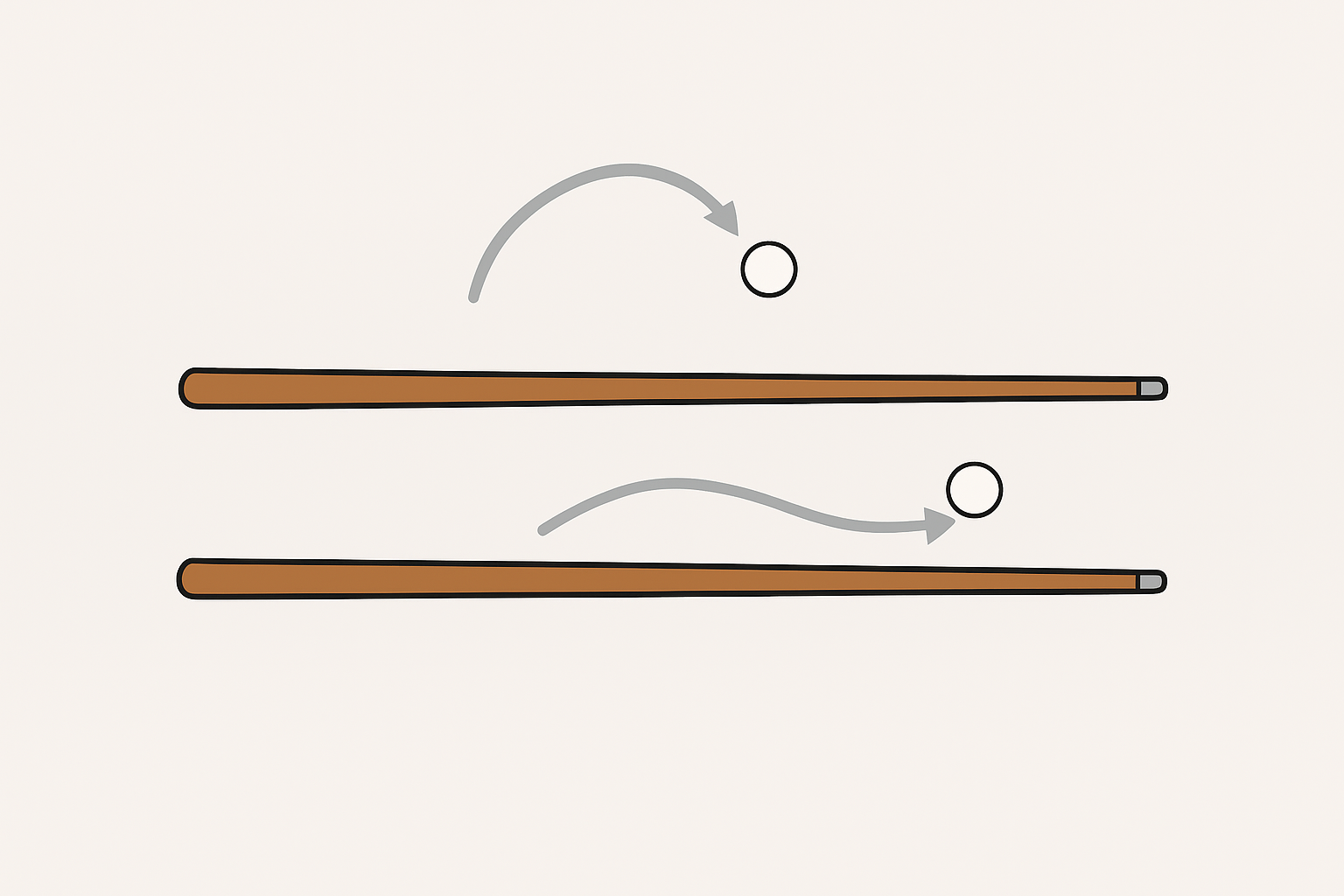
A lighter cue gives you more feedback in your hands.
You tend to feel soft shots more clearly, and touch becomes easier. The tradeoff is that a light cue demands a cleaner stroke.
Mistakes show up faster, especially on long straight shots. A heavier cue has the opposite personality. The extra mass helps keep the cue moving in a straight line and gives you natural momentum through the ball.
That makes pocketing feel easier, but it reduces the fine control you get with lighter setups. After long sessions, heavy cues can also cause arm fatigue, and tired muscles eventually affect your form.
When Cue Length Changes Your Ideal Weight
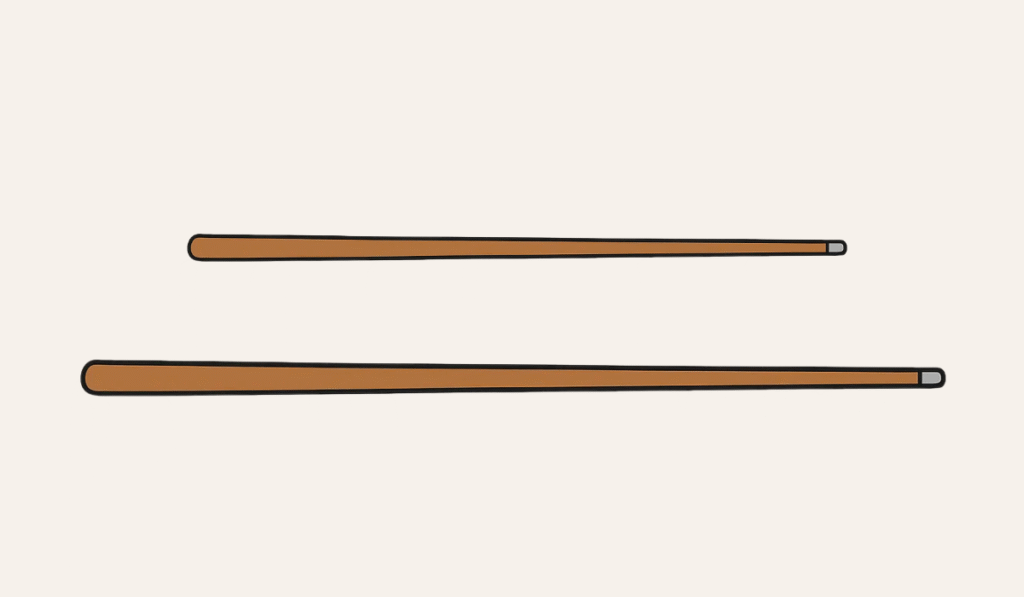
Longer cues have become more common. Once you add length or an extension, the balance of the cue changes.
If the cue is long but still very light, it can feel like swinging a long twig. For cues around 66 or 67 inches, many players move slightly heavier just to keep the cue feeling stable.
This isn’t about adding power, it’s about maintaining a comfortable balance point so the cue swings naturally.
Small Weight Changes Make Big Differences
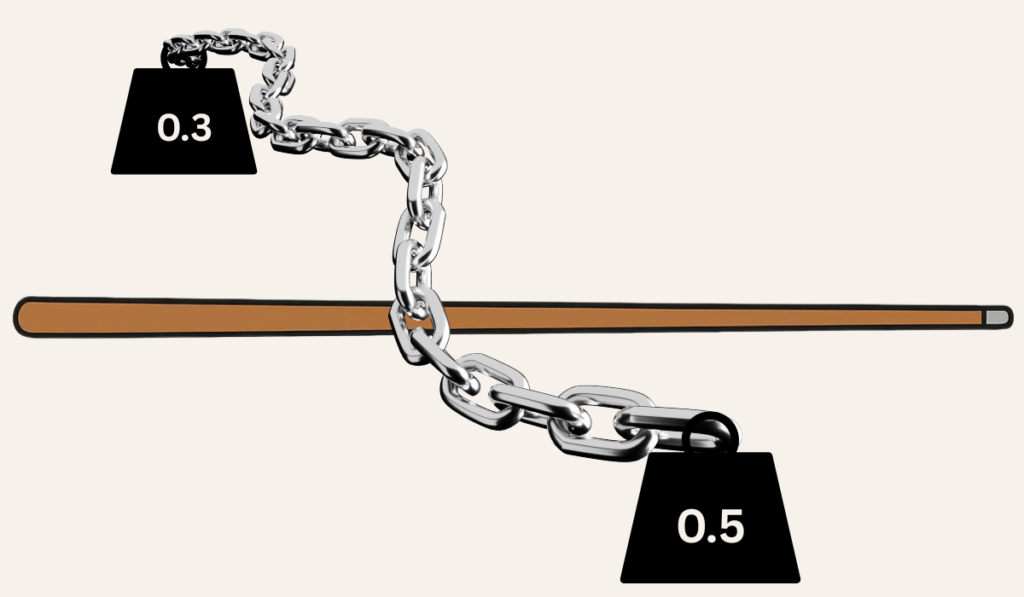
Most of the weight adjustments happen in the butt of the cue, and this is why tiny changes matter.
Adding even 0.3 or 0.5 ounces shifts how the cue sits in your hand. It affects the balance point, how steady your backswing feels, and how easily the cue accelerates through the ball.
When I tested different bolts, the difference was noticeable immediately. Some settings made the cue feel effortless. Others made it feel heavy or unresponsive. This is normal, your body is very sensitive to weight changes in the handle of the cue.
Finding Your Ideal Cue Weight
There is no universal “best” weight. The ideal weight is simply the one that matches your stroke and your goals.
A good way to find it is to start with the weight you already use and adjust in small steps. Try a few long straight shots, a few soft follow shots, and a few draw shots.
Pay attention to whether the cue feels stable, whether you can control speed comfortably, and whether your arm stays relaxed.
The right weight is the one that lets you play for hours without tension while still giving you confidence on both soft shots and long-distance potting.
Final Thoughts
Cue weight is one of the simplest adjustments you can make, yet it has a huge impact on how you play. It affects rhythm, accuracy, balance, and how your stroke develops over time.
Once you take a little time to experiment, you will find the weight that feels natural to you. And when the cue feels right, your whole game feels better.
Learn more:
Cue Ball Physics | Learn to Control The Cueball
Optimize Your Cue’s Balance Point