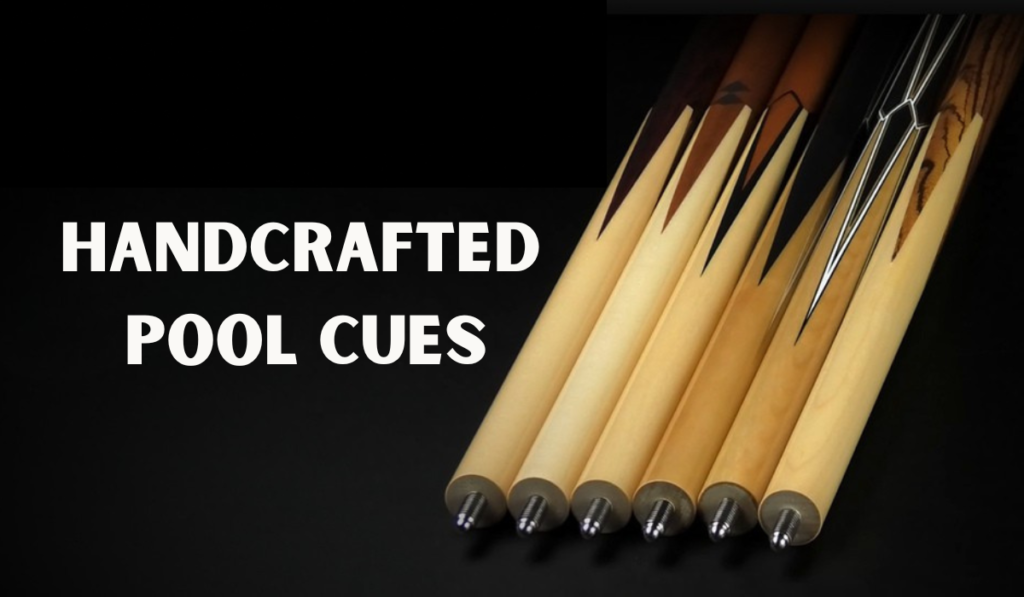
How a Handcrafted Pool Cue Is Made

Why do some cues stay straight for years while others warp within months? Why does one cue feel balanced and precise while another feels unpredictable?

The answer often comes down to how the cue is built. In this article, you’ll learn the key steps behind crafting a quality pool cue from wood selection to the final wrap so you can see what separates a reliable cue from an average one.

Key Takeaways

  • A cue’s performance and durability depend heavily on the build process, not just the final appearance.
  • Maple is the preferred wood for shafts because it offers strength, stability, and consistent play.
  • Points are a key indicator of craftsmanship—clean alignment and even veneers show precision in construction.
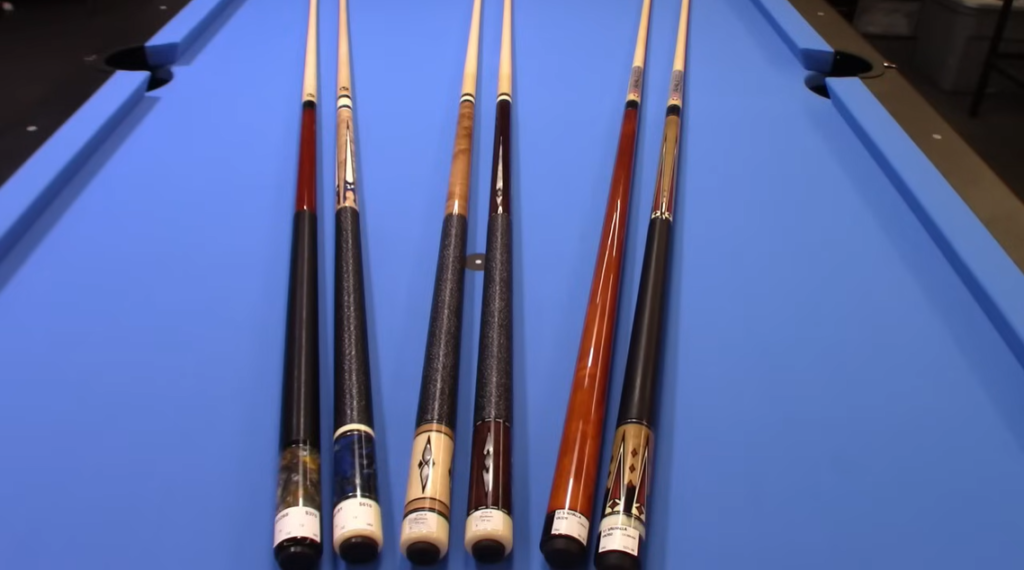
  • A cue is built from multiple parts (forearm, handle, butt sleeve, butt cap), all of which must be fitted and turned as one seamless piece.
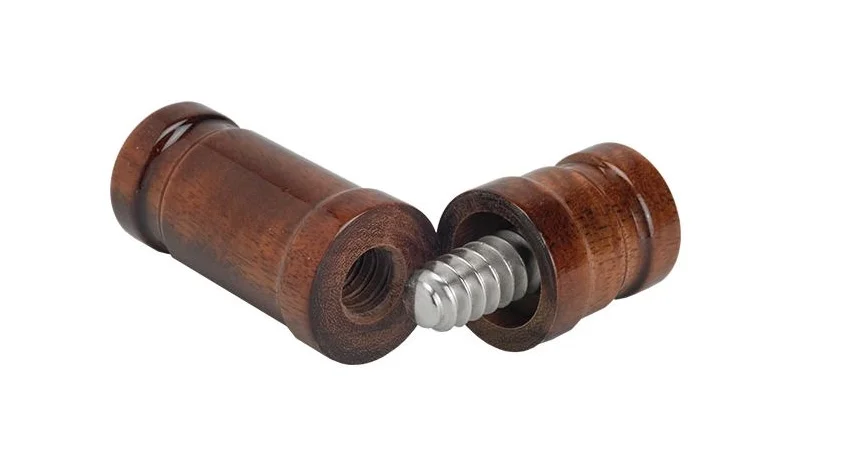
  • Weight adjustments come from the threaded rod inside the butt, cut to match the desired balance.
  • The joint pin requires near-perfect accuracy to keep the cue straight and ensure a solid connection.
  • Handle wraps (leather or Irish linen) are applied after finishing and must be wound evenly for comfort and control.
  • Price varies based on materials, number of points, inlays, wrap type, and total hours of skilled labor.

Selecting and Preparing the Wood
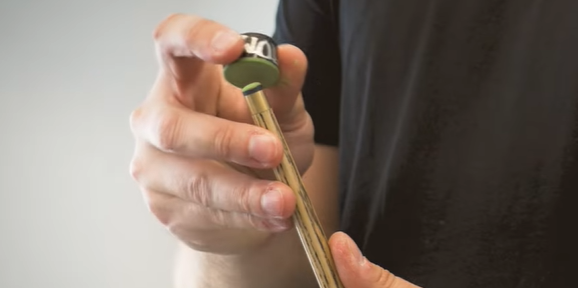
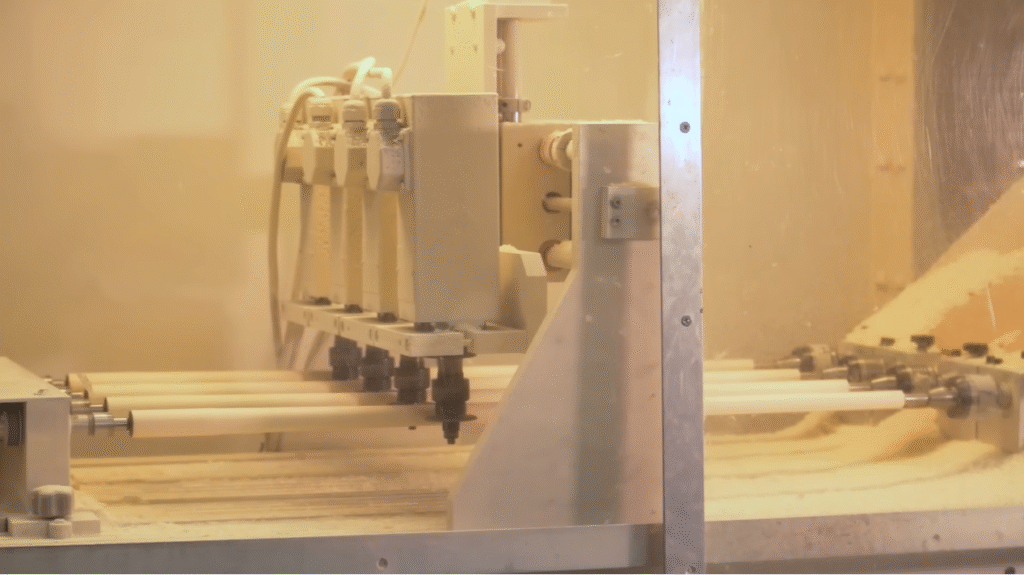
Everything begins with choosing the right wood. Maple is commonly used for shafts because it’s strong and stable. The wood starts as a block, then gets cut into a square, placed on a lathe, shaped into a round dowel, and given a light initial taper.

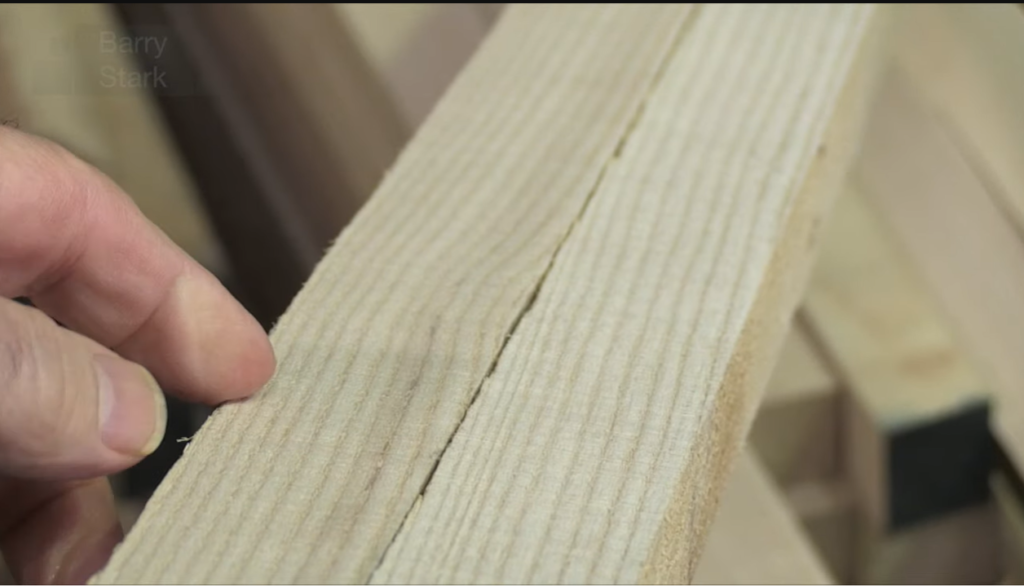
After that, the dowel is conditioned to reduce moisture and allow it to stabilize. Once it reaches an appropriate moisture level, the maker removes a very small amount of material each month to keep the shaft straight and prevent distortion over time.

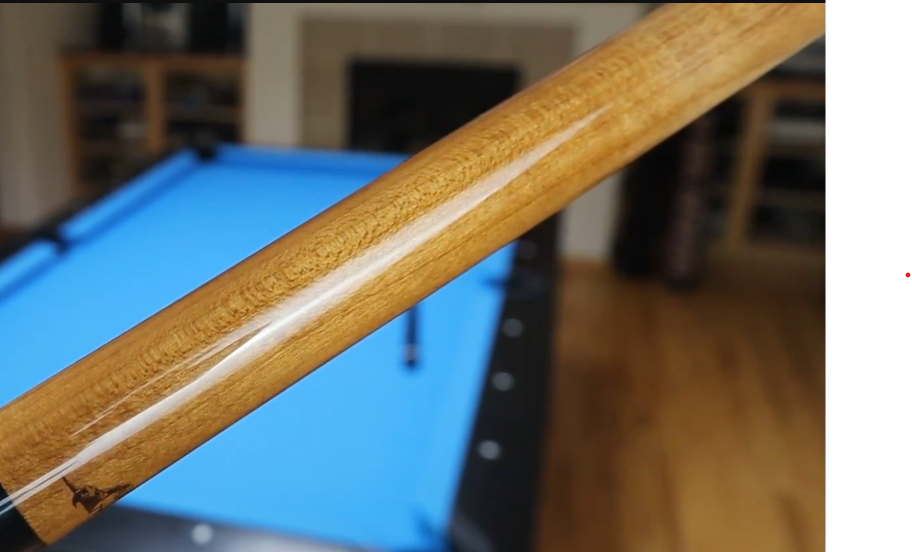
For the butt section, dense and decorative hardwoods such as ebony, rosewood, purpleheart, or figured maple are used to create both beauty and balanced weight.

Creating the Points
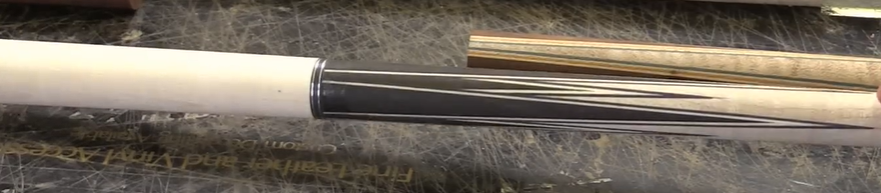
Points are the triangular shapes that rise up the forearm of the cue. To make them, the maker cuts precise grooves into the dowel, then inserts layers of veneer and hardwood into these channels.

When the cue is turned again, the veneer layers taper down into sharp points. A high-quality cue usually has points that are:

  • aligned evenly around the cue
  • symmetrical
  • consistent, with veneers matching cleanly from end to end

The number of points (4, 6, 8, etc.) affects both the complexity and the time required to build the cue.

Assembling the Forearm, Handle, and Butt Sleeve
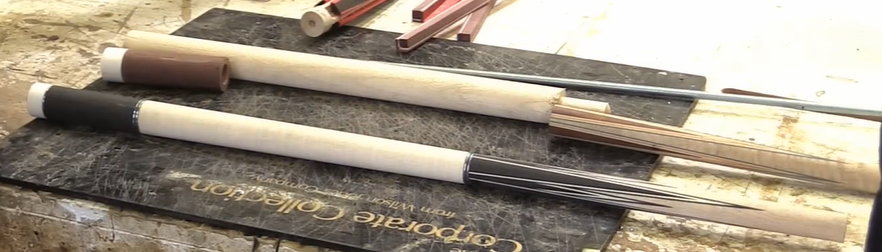
A cue is built from several main parts:

  • the forearm (where the points sit)
  • the handle section
  • the butt sleeve
  • the butt cap

Each piece is bored out, fitted together, and glued. After assembly, the cue goes back on the lathe so everything can be turned into one smooth, seamless shape with the correct diameter.

Inside the butt, a threaded rod is added to adjust the cue’s weight. The rod is cut to the exact length needed to reach the final weight the maker wants.

Drilling and Installing the Joint Pin
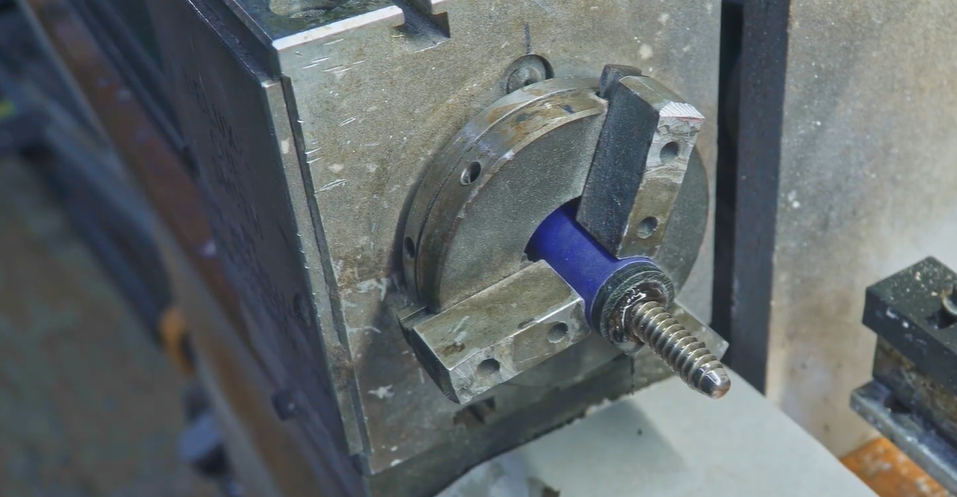
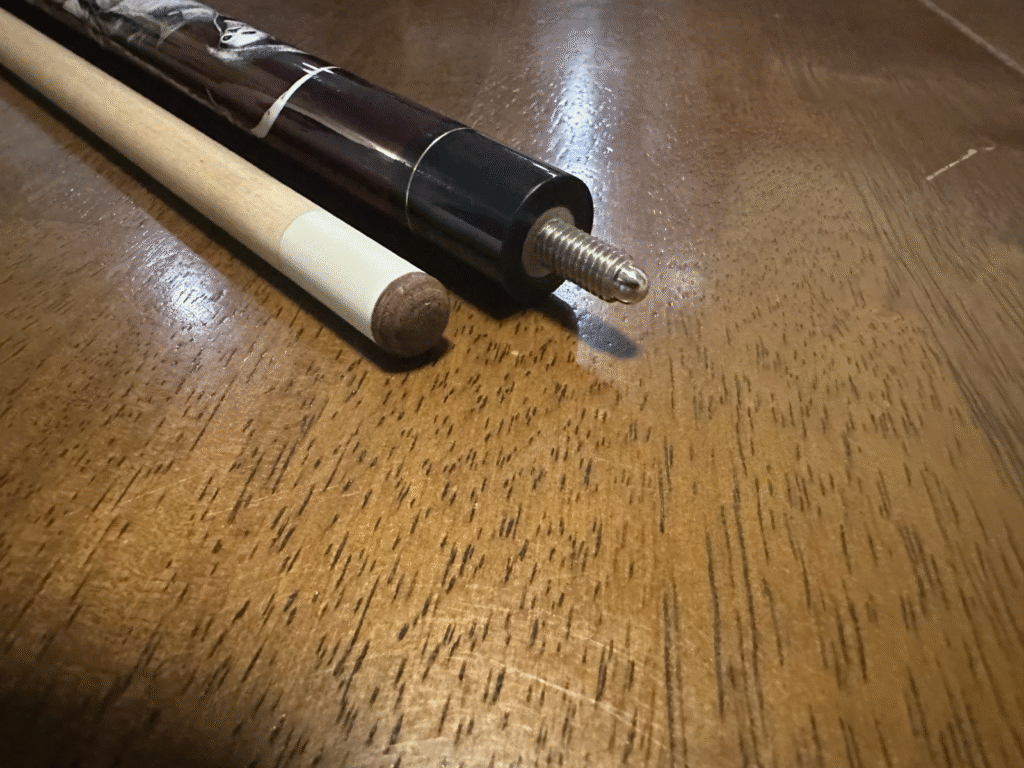
The joint pin connects the butt and shaft, so accuracy is essential. The cue is secured in place and checked with a dial indicator to ensure almost no runout. Only when the cue is perfectly centered is the hole drilled and the joint pin installed.

Finishing and Wrapping the Handle
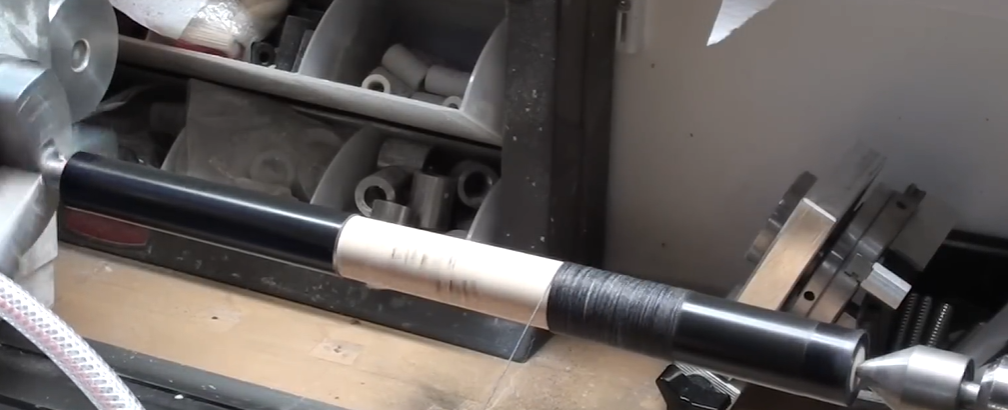
After finishing and polishing, the handle area is left uncoated because this is where the wrap will go. To prepare for the wrap, the maker slightly reduces the diameter of this section so the final wrap sits flush.

A cue can be wrapped in:

  • leather
  • or fine Irish linen (Personally, I prefer Irish linen. It has a clean, soft texture that feels great in the hand).

The linen is wound using a two-direction motor so the thread lays evenly, stays flat, and doesn’t overlap.

Factors That Affect Cue Pricing

The price of a custom cue depends on:

  • the type of wood
  • the number of points
  • the number of inlays
  • the wrap material
  • the total labor hours

Basic designs fall on the lower end, while cues with many inlays and points require significantly more time and craftsmanship.

How Long It Takes to Build a Cue by Hand vs. in a Factory

Handcrafting a pool cue is a slow, deliberate process.

Drying the wood alone can take weeks, and each stage tapering, cutting points, turning the parts, fitting the joint, finishing, and wrapping requires time for the materials to settle before the next step begins.

A fully handmade cue often takes 40 to 100 hours of labor, spread across several weeks depending on the number of points, inlays, and the finish required.

Factory-made cues follow a completely different timeline. Automated lathes, pre-dried wood, and assembly-line processes allow mass-produced cues to be completed in a few hours, sometimes less than a day.

A Process Built on Patience and Skill

Watching the cue-making process firsthand showed me that even the smallest detail has a purpose. Every pass on the lathe, every cut, and every veneer layer requires patience and accuracy.

A handcrafted pool cue isn’t just a billiards tool—it’s the result of dozens of precise steps repeated until everything reaches balance and harmony.
Learn More

Cue Makers and Repairs Section

Wood Behavior and Stability

Billiards Congress of America

A Guide to the Most Common Pool Cues

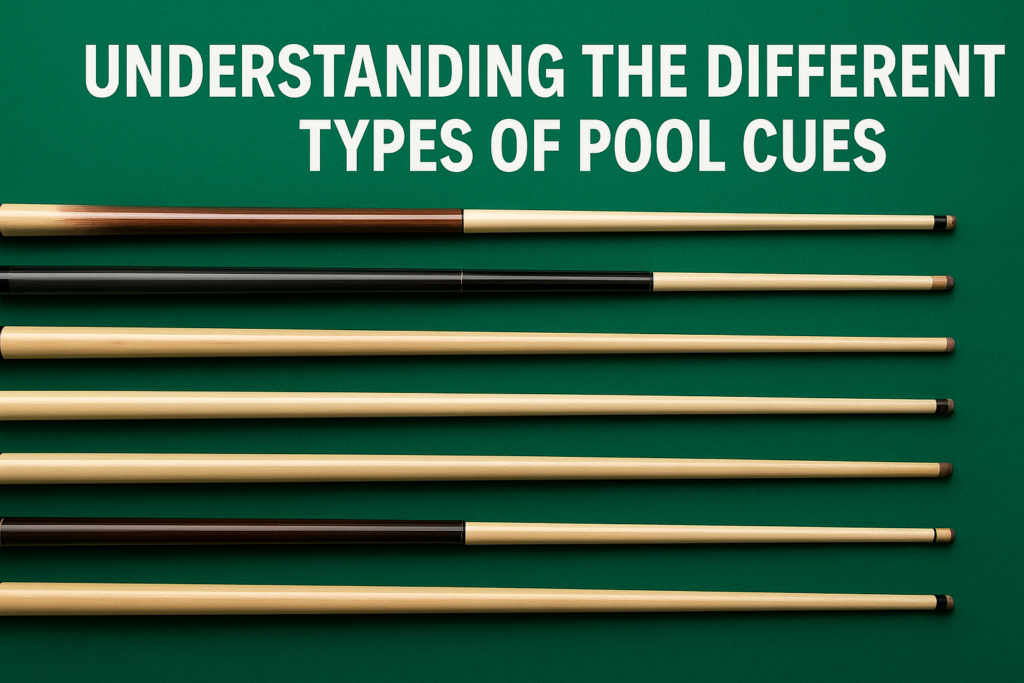
Pool cues may look similar at first, but each type is built for a specific job. Knowing the difference helps players choose the right tool for better control, power, and accuracy. Below is a breakdown of the cue types most players see around the world.

Key Takeaways

  • Different cues serve different jobs.
  • A playing cue is for everyday shots and control.
  • Break cues are built for power and durability.
  • Jump cues help lift the cue ball cleanly.
  • Jump-break cues combine both roles in one stick.
  • Sneaky-pete cues look plain but play like higher-end cues.
  • One-piece cues are common in public spaces and made to be tough.
  • Two-piece cues offer better quality and easy transport.
  • Low-deflection cues help players aim more accurately with spin.
  • Carom and snooker cues are designed for their specific games.

Playing cue

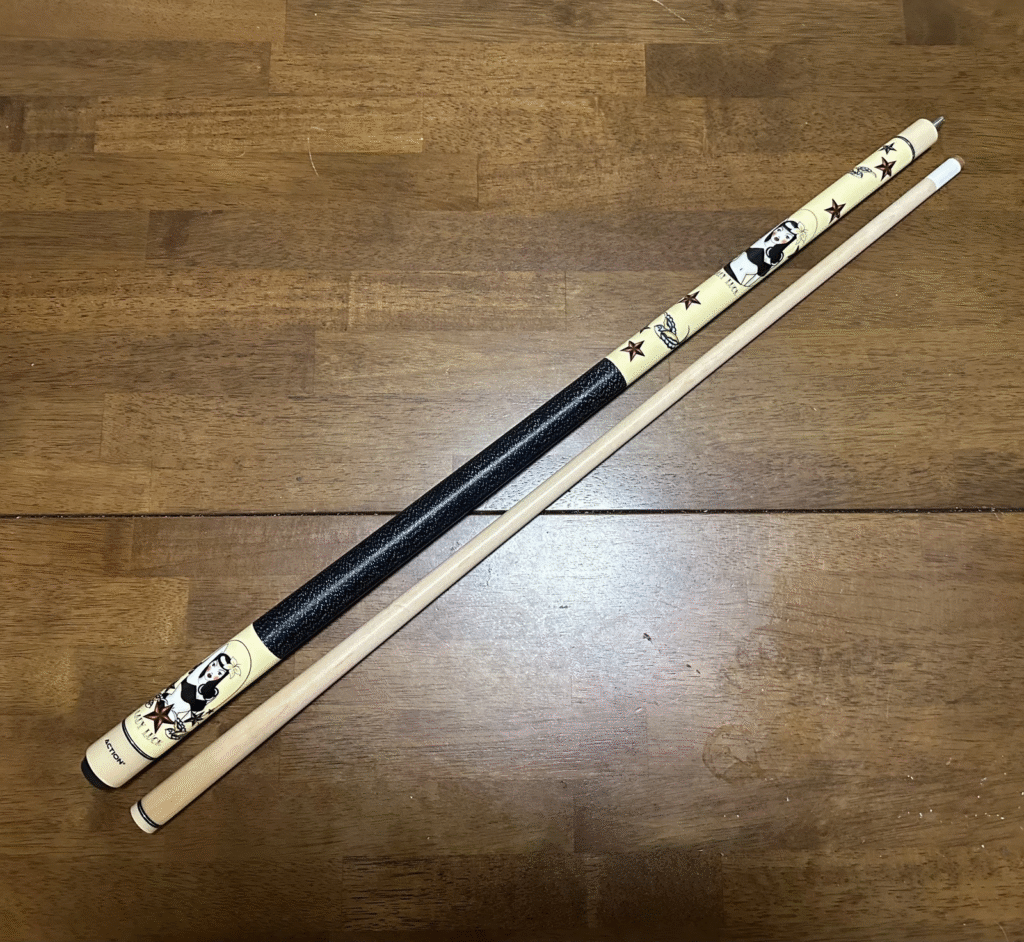
This is the cue most people use for regular shots. It’s built for balance and feel. A good playing cue gives steady control, a smooth stroke, and a tip that grabs the cue ball just enough to apply spin.

Break cue

A break cue is made for one thing: hitting hard. It usually has a harder tip and a stronger shaft that won’t flex as much. This helps transfer more force into the rack. Many players keep a break cue separate to avoid wearing out their main cue.

Jump cue

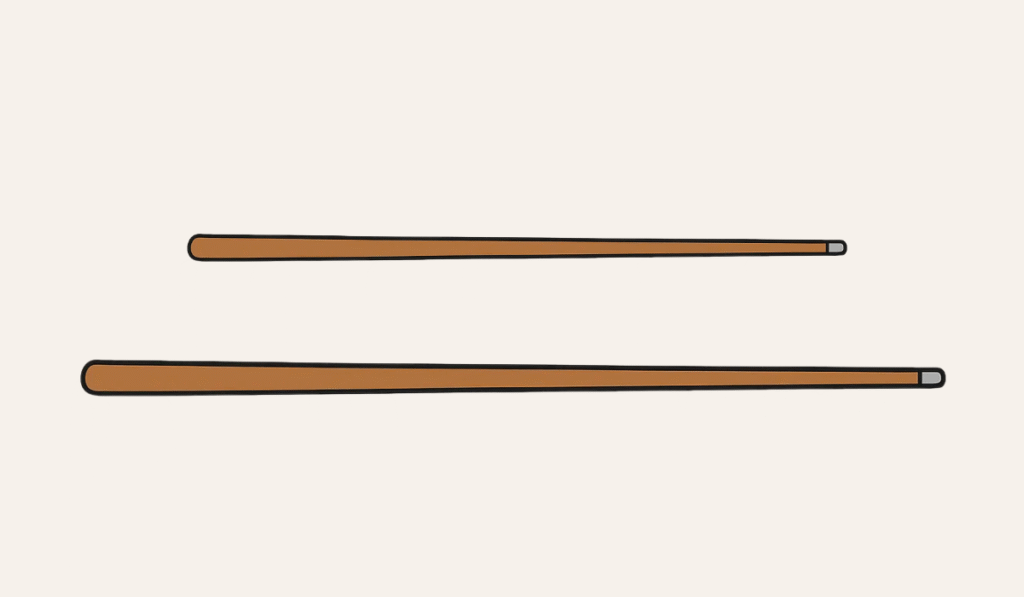
A jump cue is shorter and lighter than a standard cue. The goal is simple: lift the cue ball off the table cleanly. The short length lets the player raise the cue almost straight up without losing accuracy.

Jump-break cue

This cue combines the power of a break cue and the build of a jump cue. Players who want to carry one extra cue instead of two often choose this option.

Sneaky-pete cue

This cue looks like a simple house cue, but it’s actually a two-piece cue designed for performance. Skilled players used them in the past to avoid showing opponents they had their own custom cue. Today it’s more of a style choice.

One-piece cue

You’ll see these in bars, community centers, and casual play spaces. They’re sturdy and inexpensive. The downside is that they’re harder to transport and rarely match the quality of a good two-piece cue.

Two-piece cue

Most personal cues come in two pieces. They’re easier to carry and tend to offer better materials, better balance, and more consistent play. Players can also replace parts without buying a full cue.

Low-deflection cue

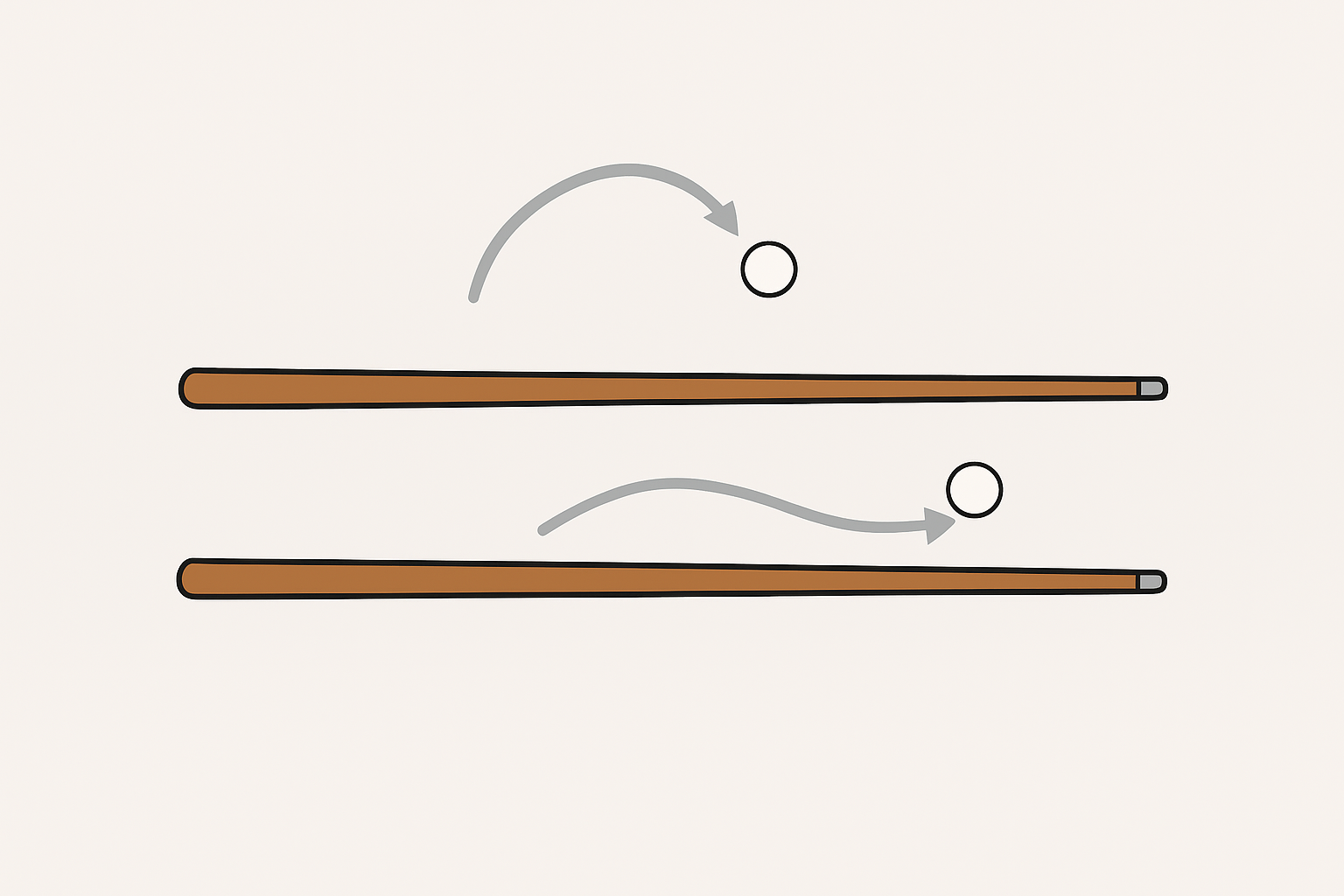
A low-deflection shaft reduces the sideways push that normally happens when you use spin. This helps the cue ball travel more in line with the aim. Many modern players prefer these shafts because they make aiming with spin more predictable.

House cue

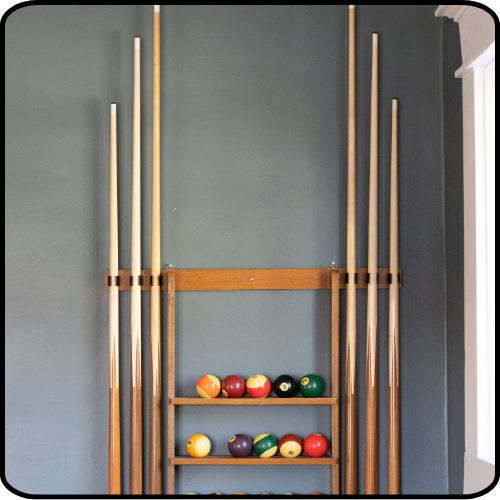
A house cue is the standard cue sitting on the wall at most pool halls. They vary a lot in weight and straightness. Some are fine, others aren’t, but they’re meant for general use by anyone walking in.

Carom cue

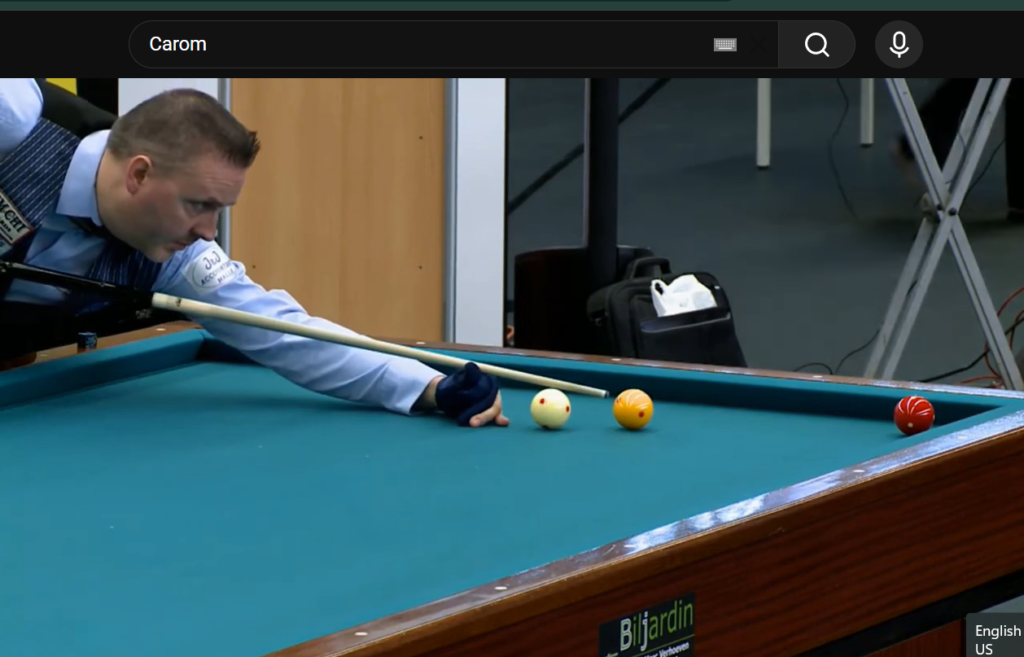
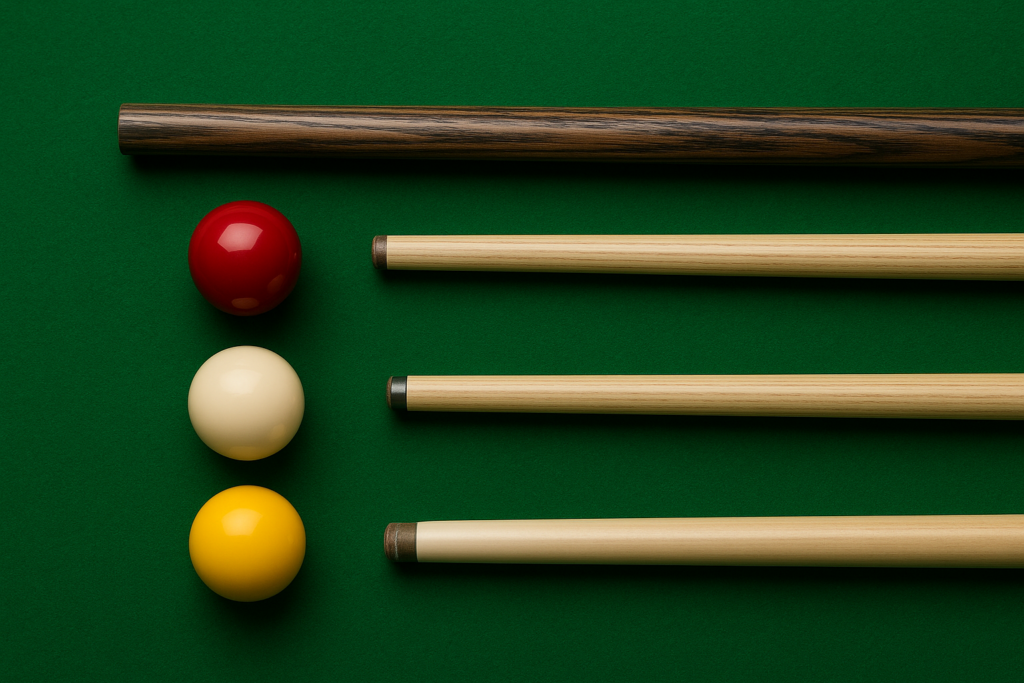
Carom cues are used for games played on pocketless tables, like three-cushion billiards. They have a thicker shaft and a shorter, stiffer build. The design helps with precise control and heavy spin.

Snooker cue

A snooker cue is thinner than a standard pool cue and often has a smaller tip. Snooker balls are smaller, so the cue needs to match. The feel is different from a pool cue, but it gives the fine control needed for long, delicate shots.

Learning and rules

Differences Between English Pool, Snooker, and American Pool Cues

Many customers are unsure which cue they should use for different cue sports. Pool and snooker may look similar on the surface, but the equipment especially the cue is designed around the size and weight of the balls. In this guide, I’ll walk you through the key differences between English pool cues, snooker cues, and American pool cues, and explain why each one is built the way it is.

Key Takeaways

FeatureEnglish Pool CueSnooker CueAmerican Pool Cue
Cue Ball Size Used1 7/8″2 1/16″2 1/4″
Tip Size8–9 mm9.5–10 mm (up to 11 mm)~13 mm
Cue WoodAshAshMaple
Ferrule TypeBrass/metal (small)Stainless steelThick plastic (shock-absorbing)
Cue ConstructionOften 2-piece (center joint)Often 3/4 jointMostly 2-piece (center joint)
Primary PurposePrecision & control for small ballControl with extra stabilityPower & durability for heavy ball
Not Ideal ForAmerican pool (too thin/weak)American pool (tip too small)English/snooker finesse shots

Cue Ball Sizes

Before comparing cues, we need to look at the cue balls themselves. The size of the ball determines the structure, strength, and tip size of the cue.

Game TypeCue Ball SizeNotes
English Pool (8-Ball)1 7/8 inchesSmallest and lightest cue ball
Snooker2 1/16 inchesSlightly larger; requires a slightly thicker cue tip
American Pool2 1/4 inchesLargest and heaviest cue ball

These differences directly impact what type of cue is suitable for each game.

English Pool Cues

English pool cues are designed for the smaller, lighter English eight-ball cue ball.

Key Features

  • Tip size: 8–9 mm
  • Material: Usually ash
  • Purpose: Precise cue-ball control

The thin tip gives players excellent accuracy for finesse shots. However, this same thinness makes it unsuitable for American pool—the cue simply isn’t built to take the repeated impact of heavier balls.

Two-Piece Construction

Many English pool cues split at the center with a brass joint. This makes them easier to carry while maintaining balance and playability.

Snooker Cues

Snooker balls are slightly larger than English pool balls, so the cue must match.

Key Features

  • Tip size: 9.5–10 mm (some players prefer up to 11 mm)
  • Ferrule: Often stainless steel
  • Material: Ash
  • Construction: Commonly a three-quarter joint, positioned closer to the butt for better stiffness

The snooker cue offers a blend of control and durability, designed for the longer table and slightly heavier ball.

American Pool Cues

American pool cues are built for strength. The 2 1/4-inch cue ball demands a sturdier cue with a wider tip.

Key Features

  • Tip size: Around 13 mm
  • Ferrule: Thick plastic to absorb shock
  • Material: Typically maple (lighter, cleaner grain compared to ash)
  • Construction: Usually a two-piece cue that splits in the middle

The wider tip and robust ferrule allow players to strike the heavier ball with speed and power without risking damage to the cue.

Choosing the Right Cue for Your Game

Once you understand the relationship between cue ball size and cue construction, picking the right cue becomes much easier. Many customers visit our showroom unsure of which cue fits which table. After going through these differences, you now have the knowledge to choose confidently.

If you’re interested in a deeper breakdown—including the differences between English and American pool tables—we’ve created a full video that covers every detail, from ball size to table design to cue specifications.

Learn More

Billiard Congress of America

Different Pool Game Rules 

How Cue Weight Affects Your Game

Cue weight is one of the most overlooked factors in how well you play, yet it affects every stroke you take. Many players struggle with inconsistent control, missed long shots, and a cue that simply doesn’t feel right in their hands and they never realize the weight is the real issue. The wrong cue weight can make your stroke feel tense, cause your arm to tire quickly, and make cue-ball control harder than it needs to be.

In this article, you’ll learn how cue weight truly affects accuracy, feel, balance, and long-session comfort. You’ll also discover how small weight changes impact your stroke and how to choose the weight that actually fits your game. Let’s get started.

Key Takeaways

  • Cue weight influences accuracy, control, stroke comfort, and long-term consistency.
  • Most players and most professionals play between 18 and 20 oz because it balances power and control.
  • Lighter cues give more feel but require cleaner technique; heavier cues offer stability but reduce finesse.
  • Longer cues often need slightly higher weight to maintain balance.
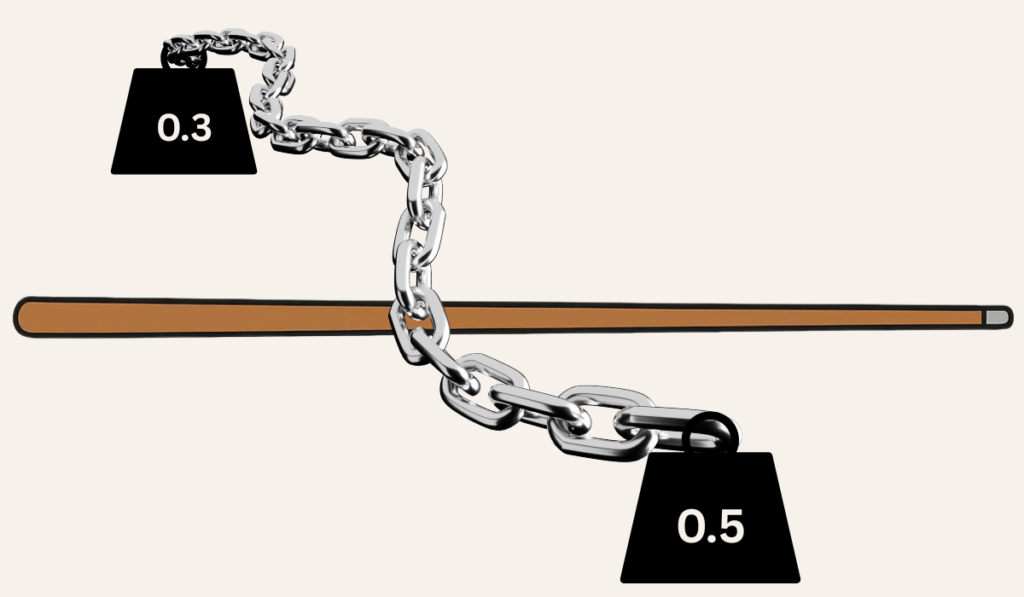
  • Even small adjustments (0.3–0.5 oz) can significantly change how the cue performs.
  • The best cue weight is the one that feels natural, stable, and comfortable over long sessions.

The Typical Weight Range

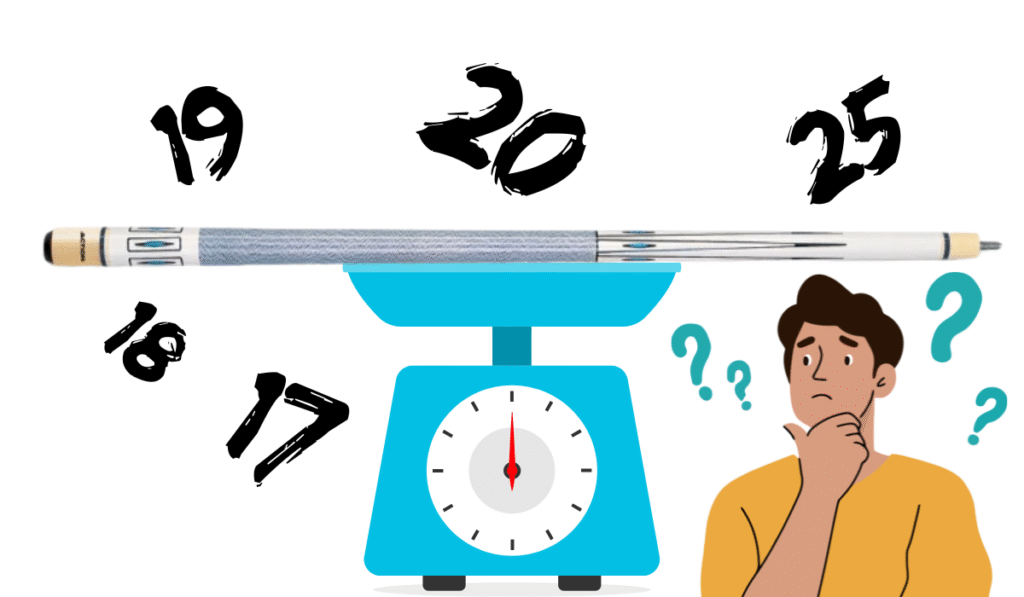
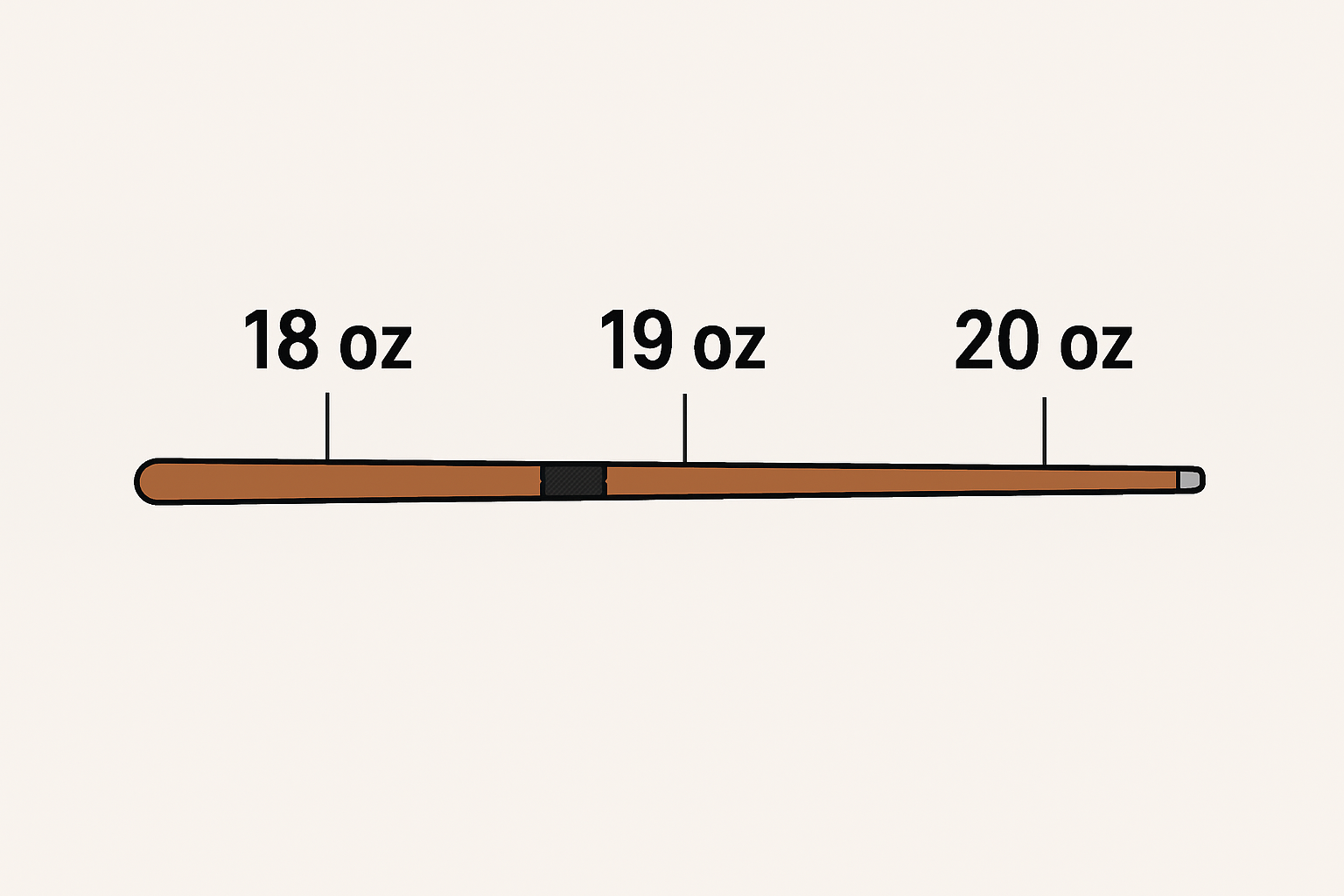
Most cues fall somewhere between 18 and 20 ounces. 

Many professionals stay within this range as well, because it offers a balance between power and control. 

My own cue usually sits around the middle of that range because I can generate cue speed without feeling like I’m fighting the weight of the cue, but it still gives me the stability I need on long shots. 

Too light and the cue tends to feel loose or overly sensitive. Too heavy and it becomes harder to move the cue freely.

How Weight Affects Control and Accuracy

A lighter cue gives you more feedback in your hands. 

You tend to feel soft shots more clearly, and touch becomes easier. The tradeoff is that a light cue demands a cleaner stroke. 

Mistakes show up faster, especially on long straight shots. A heavier cue has the opposite personality. The extra mass helps keep the cue moving in a straight line and gives you natural momentum through the ball. 

That makes pocketing feel easier, but it reduces the fine control you get with lighter setups. After long sessions, heavy cues can also cause arm fatigue, and tired muscles eventually affect your form.

When Cue Length Changes Your Ideal Weight

Longer cues have become more common. Once you add length or an extension, the balance of the cue changes. 

If the cue is long but still very light, it can feel like swinging a long twig. For cues around 66 or 67 inches, many players move slightly heavier just to keep the cue feeling stable. 

This isn’t about adding power, it’s about maintaining a comfortable balance point so the cue swings naturally.

Small Weight Changes Make Big Differences

Most of the weight adjustments happen in the butt of the cue, and this is why tiny changes matter. 

Adding even 0.3 or 0.5 ounces shifts how the cue sits in your hand. It affects the balance point, how steady your backswing feels, and how easily the cue accelerates through the ball. 

When I tested different bolts, the difference was noticeable immediately. Some settings made the cue feel effortless. Others made it feel heavy or unresponsive. This is normal, your body is very sensitive to weight changes in the handle of the cue.

Finding Your Ideal Cue Weight

There is no universal “best” weight. The ideal weight is simply the one that matches your stroke and your goals. 

A good way to find it is to start with the weight you already use and adjust in small steps. Try a few long straight shots, a few soft follow shots, and a few draw shots. 

Pay attention to whether the cue feels stable, whether you can control speed comfortably, and whether your arm stays relaxed. 

The right weight is the one that lets you play for hours without tension while still giving you confidence on both soft shots and long-distance potting.

Final Thoughts

Cue weight is one of the simplest adjustments you can make, yet it has a huge impact on how you play. It affects rhythm, accuracy, balance, and how your stroke develops over time. 

Once you take a little time to experiment, you will find the weight that feels natural to you. And when the cue feels right, your whole game feels better.

Learn more:

Cue Ball Physics | Learn to Control The Cueball

Optimize Your Cue’s Balance Point

Question about cue weight

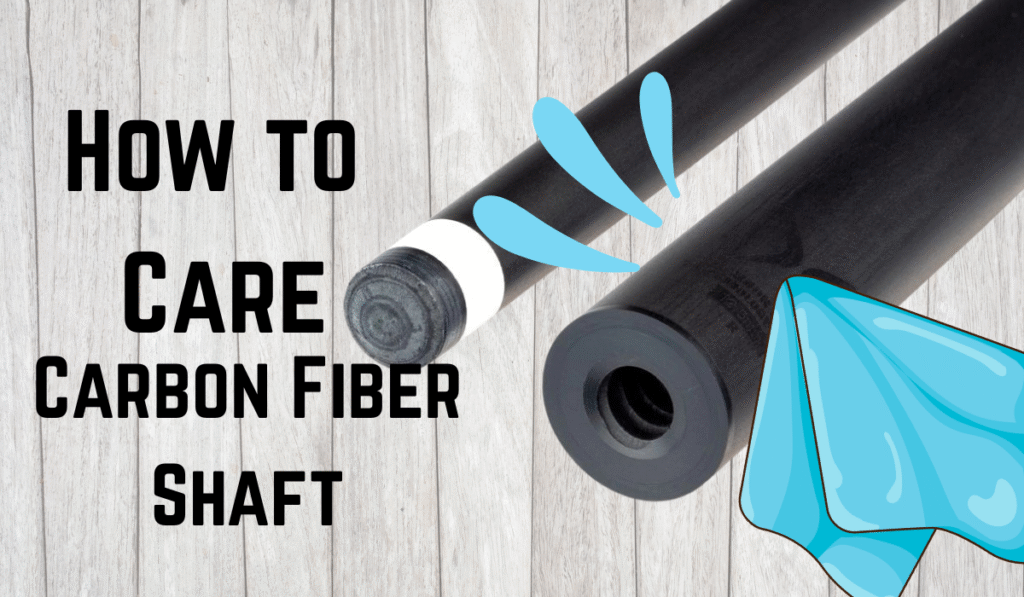
How to Care for Your Carbon Fiber Shaft

Carbon fiber shafts last longer than maple, but most players still ruin them through simple bad habits. Banging the cue, leaving it in a hot car, and skipping basic cleaning are the things that cut a shaft’s life short. 

As someone who has maintained gear for league nights, tournaments, and long travel days, I have seen great shafts fail for preventable reasons. 

In this guide you will learn how to protect your shaft from heat, impact, grime, and joint wear so it stays smooth, consistent, and accurate for years.

Key Takeaways

  • Your shaft is durable, not indestructible. Avoid drops, table bangs, and pushing balls.
  • Extreme heat and cold can still damage carbon fiber, so do not leave your cue in the car.
  • Clean the shaft with a damp microfiber cloth or Predator wipes, then dry it right away.
  • Use quality tips and chalk to protect your investment and keep performance consistent.
  • Clean the joint regularly to maintain a precise, solid fit.
  • Use joint protectors to prevent dirt and damage during transport.
  • Store your cue in a well-built, insulated case to extend the life of the shaft.

Your Shaft Is Not Indestructible

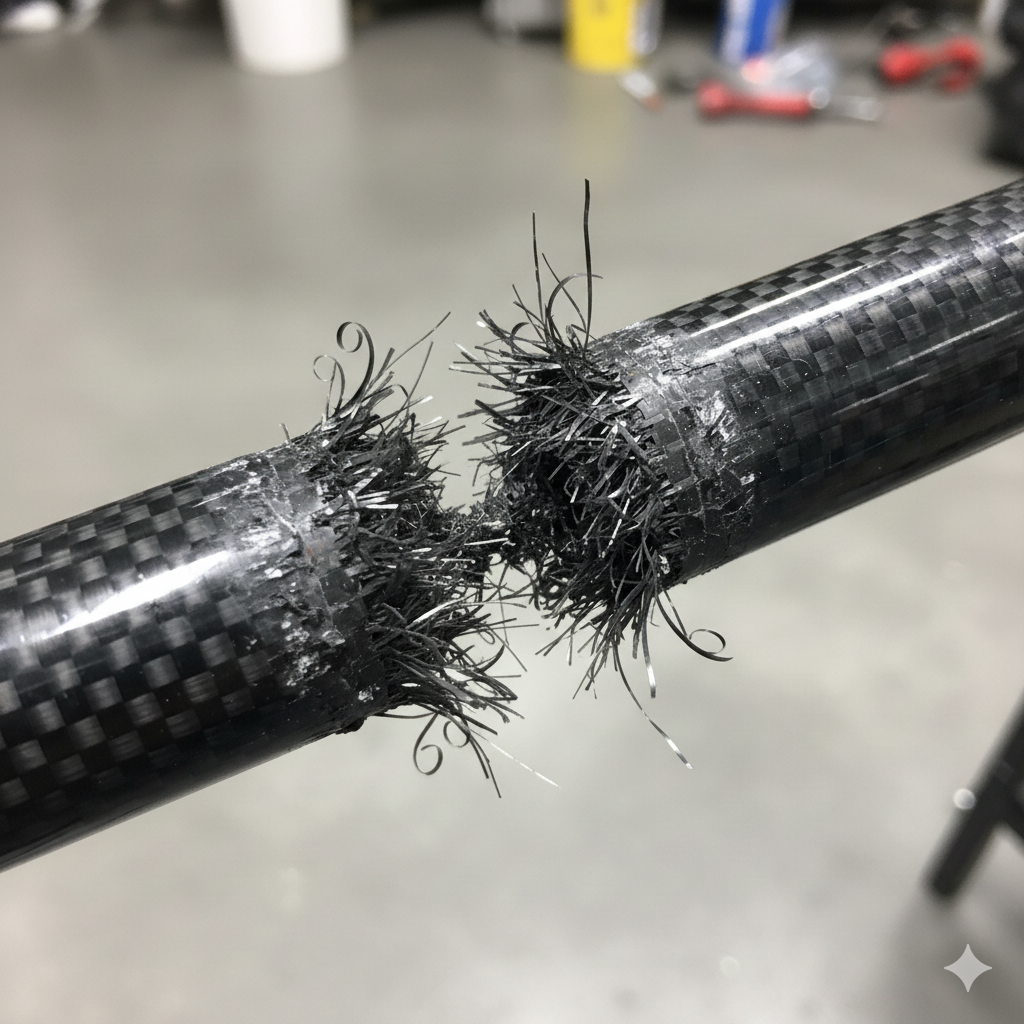
A carbon fiber shaft is more durable than a maple shaft, but it is not something you can abuse. Do not bang it on the table. Do not let it hit the floor. And do not push balls around with it. 

Yes, many players do it, but it is still a bad idea. Treat your shaft well and it will last, but do not assume durability means immunity.

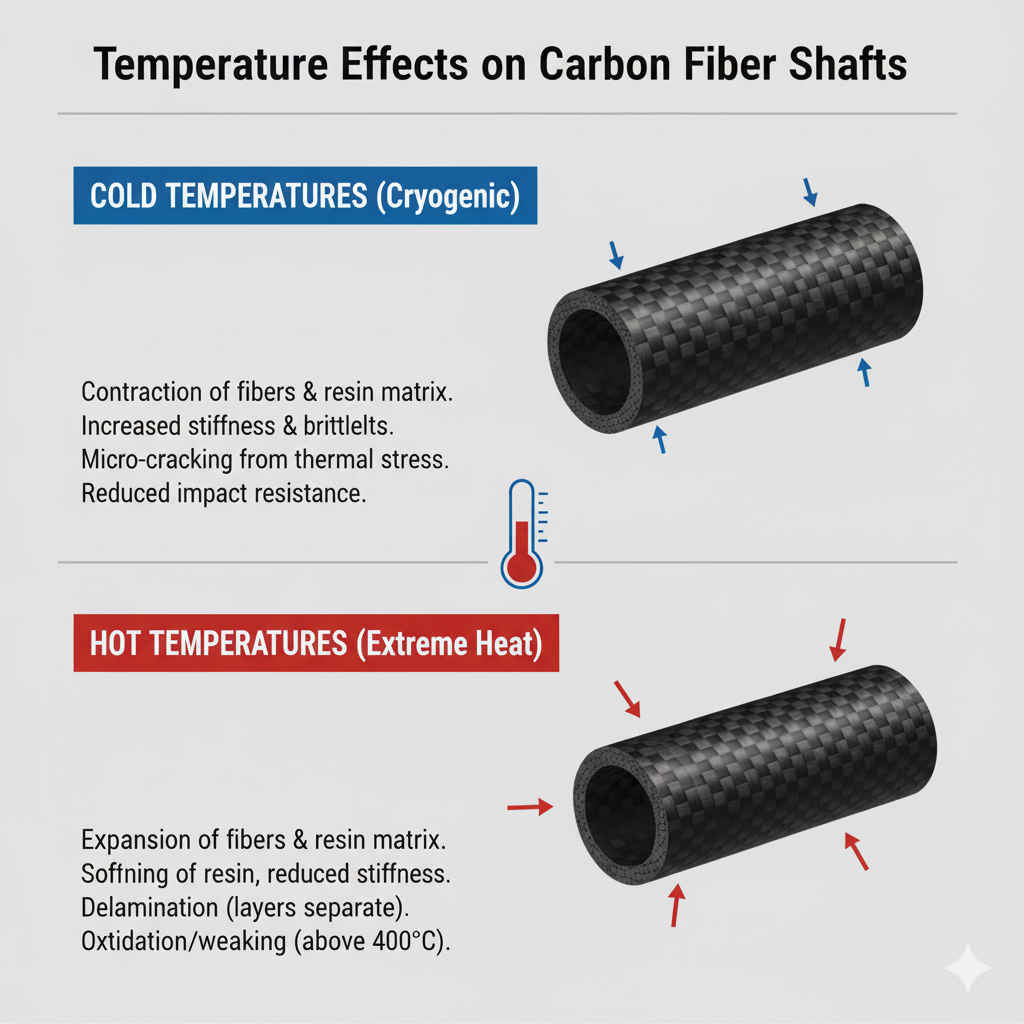
Temperature Changes Still Matter

Carbon fiber handles temperature shifts better than maple, but extreme heat and cold still affect it. Leaving your cue in the trunk or back seat exposes it to those extremes. If you can avoid leaving your cue in the car, you should. 

I used to keep backup cues in my car year round, and I knew they were taking a beating. Hot summers and cold winters in the Northeast are tough on any cue, carbon fiber included.

Simple, Effective Cleaning

Carbon fiber is easier to maintain than maple. That alone makes it appealing, even if it did not play as well as it does. 

You can clean it with a slightly damp microfiber cloth, but the individually wrapped Predator wipes are even easier. 

I keep them in my bag and hand them out when I see someone with a carbon fiber shaft. Wipe the shaft, dry it right away, and you are set.

And remember, if you invested in a quality shaft and a quality tip, pair them with quality chalk. Putting a cheap tip or bad chalk on an expensive shaft never makes sense.

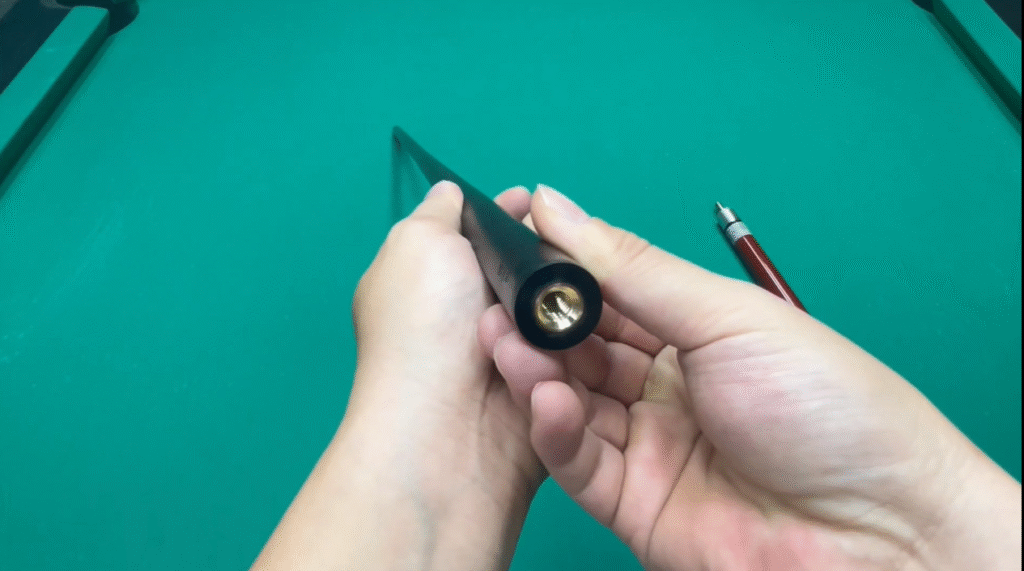
Clean the Joint Too

Most players forget the joint. Dirt builds up, and the fit becomes less precise. 

Take a Q-tip, run it around the joint, and keep that connection clean. Your cue will fit better, play better, and last longer.

Extra Steps That Extend the Life of Your Shaft

Use joint protectors. They keep the joint clean and protect it from damage. Most high-quality cues come with them, but I keep extras around because they are easy to lose.

And get a quality case. A good case with insulation is not a luxury. It protects your shaft from temperature swings and physical damage. You have made a real investment. Protect it properly.

Final Thoughts

A carbon fiber shaft can give you years of consistent performance, but only if you treat it right. Keep it clean, protect it from heat, guard the joint, and store it in a proper case. 

These small habits cost nothing and save you from warped fittings, gritty feel, and premature wear. Take care of your gear and it will take care of your game.

Learn more

Dose temperature affect carbon fiber

How carbon fiber responds to impact and moisture

Carbon Fiber vs. Wooden Shafts

Tips for Choosing a Pool Cue

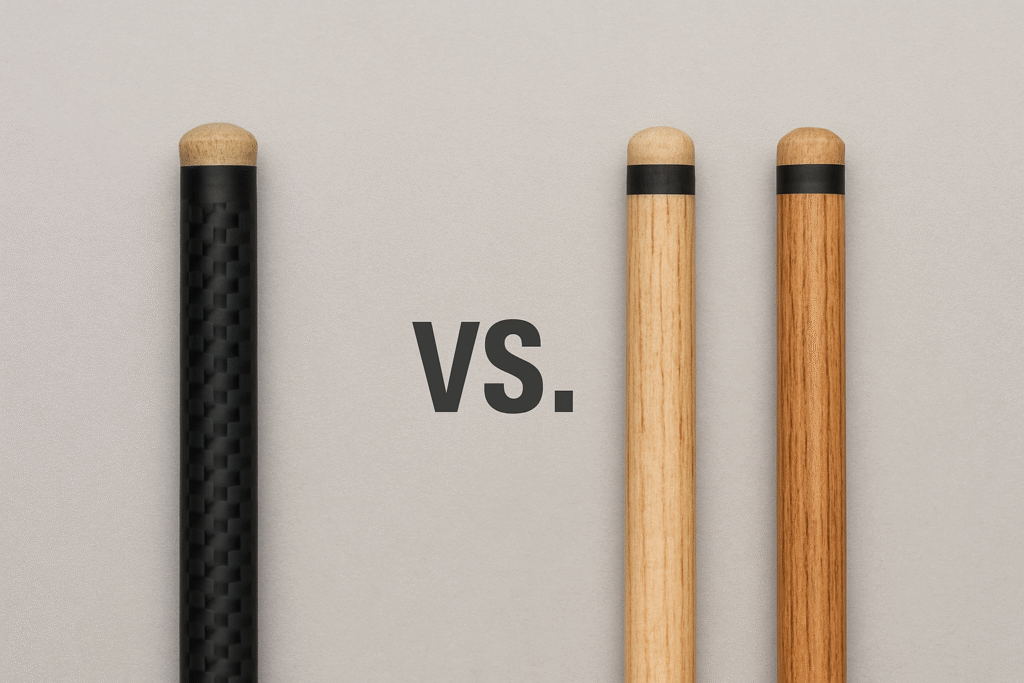
Carbon Fiber vs. Wooden Pool Shafts: A Clear Comparison

Today, we will take a close look at a topic that many players continue to debate: the pros and cons of carbon fiber shafts versus traditional wooden shafts. As someone with more than 30 years of cue-making experience, I have condensed the discussion into the most meaningful points so you can decide which option best matches your game.

Both materials have strengths. Both have weaknesses. In the end, your decision should support your style, your feel, and your long-term comfort at the table.

Key Takeaways

  • Carbon fiber shafts offer smoother performance, low maintenance, higher durability, and greater power, but they cost more, feel different, and may limit extreme spin.
  • They do not warp from heat or humidity and stay clean with minimal effort.
  • Wooden shafts provide the traditional feel, sound, and natural flex that many players prefer, often allowing more spin on off-center hits.
  • Wood shafts require more care, are prone to dings and warping, and vary based on grain structure.
  • Carbon fiber delivers radial consistency, while wood offers a more familiar and customizable playing experience.
  • If you value power, durability, and consistency, carbon fiber is a strong option.
    If you value feel, tradition, and natural feedback, wood remains a reliable choice.
  • Both materials can perform at a high level, the best shaft depends on your personal comfort and playing style.

The Advantages of Carbon Fiber Shafts

Smooth, Low-Friction Performance

A carbon fiber shaft glides through the bridge hand smoothly due to its low-friction surface. This requires little effort and remains consistent from one session to the next.

Minimal Maintenance

Carbon fiber is easy to clean. You can wipe it with a damp cloth without fear of swelling or damage, something you cannot do with wooden shafts.

Resists Dirt, Chalk, and Moisture

The material does not absorb oils or chalk. It remains clean and stable regardless of conditions.

Unaffected by Weather

Carbon fiber does not warp from heat, cold, or humidity. Even storage in a car trunk will not cause it to bend.

Durable and Damage Resistant

Accidental bumps, table strikes, or drops are less likely to leave marks. While not invulnerable, carbon fiber stands up to abuse far better than wood.

Increased Power

Its stiff construction transfers more energy to the cue ball, allowing you to generate more power with less effort.

Consistent Performance

Since it is not built around natural grain, a carbon fiber shaft provides radial consistency regardless of how the cue is rotated.

The Drawbacks of Carbon Fiber Shafts

Unfamiliar Appearance

Some players find the dark gray or black finish distracting or difficult to adjust to.

Different Feel and Sound

Carbon fiber generally feels lighter and sounds sharper at impact. Although many manufacturers have reduced this effect, it still differs from wood.

Reduced Flex and Spin at the Mis-cue Limit

Because the shaft does not flex much, it may restrict the amount of spin you can apply at the extreme edges of the cue ball.

Adjustment Period

Transitioning from wood to carbon fiber requires time. The feel is distinctive and may take practice to master.

Higher Price Point

Carbon fiber shafts cost more due to production methods and marketing. They are not the most budget-friendly option.

Limited Repair Options

Most routine tip work is still possible, but repairs involving joint collars or vault plates require specialized skills.

Potential Balance Shift

Carbon fiber is lighter than wood, which may shift the cue’s balance point unless counterweighted.

The Advantages of Wooden Shafts

Traditional Feel and Sound

Wood provides the classic hit that many players grew up with. The impact feels solid and the sound is familiar and pleasing.

Natural Flex for Enhanced Spin

Wood flexes more on off-center shots, helping the shaft move out of the cue ball’s path. This may allow experienced players to apply more English with less deflection.

Wide Range of Builds

Wooden shafts come in many forms laminated, cored, or solid. When crafted properly, they can be very radially consistent.

The Drawbacks of Wooden Shafts

Easily Damaged

Wood dents and scratches more easily than carbon fiber.

Takes on Dirt and Oils

Even well-sealed wood will gradually absorb chalk and hand oils over time.

Sensitive to Heat and Humidity

Exposure to temperature changes or moisture can cause warping, swelling, or shrinking.

Less Natural Radial Consistency

Because wood is a natural material with grain, it has a spine that can change how the shaft performs depending on orientation.

Understanding the Manufacturing Difference

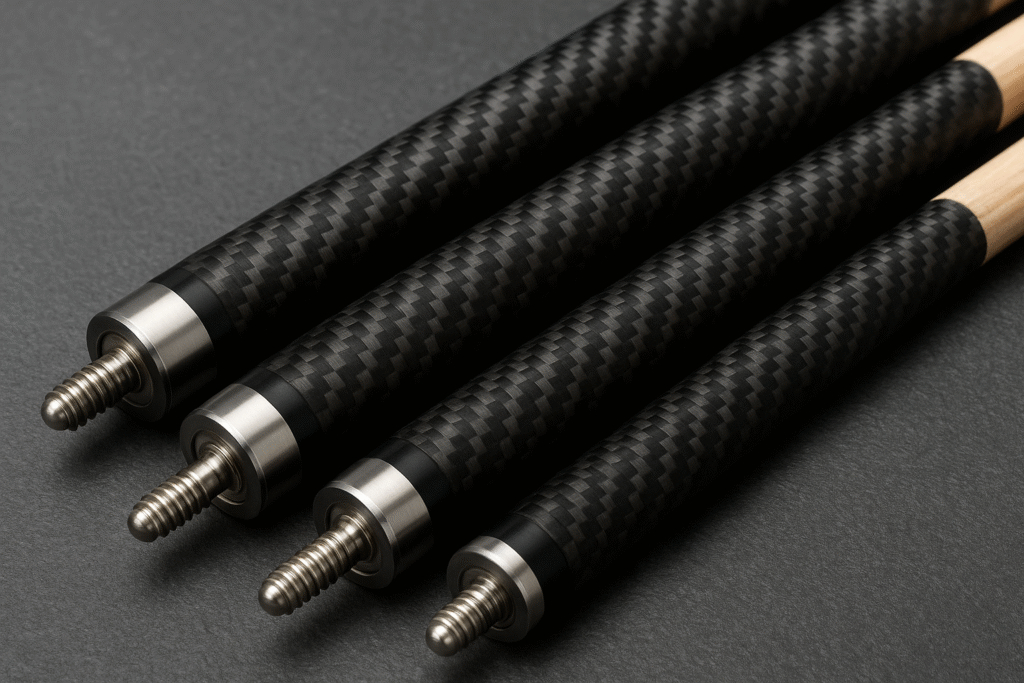
Carbon fiber shafts are built by wrapping layers of carbon sheet around a mold. Wood shafts rely on natural grain structure and how each piece is selected.

Both can be excellent low-deflection shafts, but they reach that goal through completely different engineering.

Do Pro Players Prefer Wood or Carbon Fiber Cues?

Slightly more top-ranked players use carbon fiber, but many still prefer wood.

According to FargoRate (2025) analysis of the top 100 players:

  • 53 players use carbon fiber
  • 46 players use wood
  • 1 player uses fiberglass

Preferences also vary by region: carbon fiber is more popular in Europe, while many top players in Asia still favor wood (top 100 list).

Which Shaft Should You Choose?

If you have played with wood for many years, staying with it may feel comfortable and natural. If you are newer to the game or looking for durability, consistency, and power, carbon fiber is worth serious consideration.

Both options can perform at the highest level. Both require a learning curve. Your preference and what feels best in your hands, should guide your decision.

Final Thoughts

I have aimed to present this comparison as fairly as possible. I believe in carbon fiber technology, and I also believe in the long-standing reliability of wood. Each serves a purpose, and each provides a unique playing experience.

If there is a specific point you would like covered in depth, feel free to request it. Your feedback guides future content, and I appreciate your time and interest in the subject.

Learn more

Discussions from real players comparing wood and carbon fiber.

Material science articles about carbon fiber properties

Woodworking resources explaining grain structure

How to Choose Your First Pool Cue 

Buy Pool Cues

Cue Case Maintenance 101: How to Keep Your Case Looking New for Years

Many players take great care of their cues but overlook something just as important. The cue case. It protects your cue every time you travel, keeps it safe from bumps and scratches, and helps your equipment last longer.

A good case can serve you for years, but only if you treat it right. Regular maintenance is simple, but it makes a big difference. Here is how to keep your cue case looking clean, strong, and ready for action.

Know What Your Case Is Made Of

The first step to caring for your cue case is understanding its material. Not all cases are the same. Each material reacts differently to moisture, sunlight, and cleaning products.

Leather cue cases have a premium look and feel, but they require a little extra attention. Real leather can dry out or crack if it is not cleaned and conditioned properly. Synthetic leather is easier to manage but can lose its shine if you use harsh cleaners.

Nylon and canvas cue cases are light and durable. They handle everyday wear well, but dirt can build up in the fabric if you do not clean them occasionally. These materials are best cleaned with gentle soap and a damp cloth.

Taking a minute to identify your material helps you choose the right care routine. It is the foundation for keeping your case in top shape.

Clean It the Right Way

Dust and grime are the silent enemies of every cue case. They may not look serious at first, but over time, they dull the surface and wear down seams and zippers.

Start simple. Use a soft, dry cloth to wipe your case after each use. If you notice stains or sticky spots, use a slightly damp cloth with mild soap. Avoid soaking the surface. Too much water can weaken the material and damage the lining.

For leather, use a special cleaner designed for leather goods. Apply it gently with a soft sponge, then wipe it off with a dry towel. Once clean, use a conditioner to keep the leather soft and prevent cracks.

For nylon or canvas, use warm water and a drop of gentle detergent. Wipe in small circles and let the case air dry naturally. Never use a hair dryer or direct sunlight to speed up the process. Heat can warp the shape and fade the color.

If your case has metal parts like zippers or buckles, wipe them dry to prevent rust. A little bit of attention goes a long way toward keeping them smooth and shiny.

Protect It from the Elements

Even the best cue case cannot survive harsh conditions forever. Sun, moisture, and extreme temperatures slowly wear it down.

Never leave your case inside a car on a hot day. The heat can soften glue, warp the structure, and damage the cues inside. Likewise, avoid storing your case in damp basements or near heaters.

Keep your case in a cool, dry place with steady air circulation. A closet or storage rack works well. If your case gets wet, let it dry at room temperature. Wipe off any visible moisture and leave it open until completely dry.

Sunlight can also fade colors and weaken materials. If you carry your case outdoors often, consider using a light protective cover or storing it in the shade when possible.

These small precautions make a big difference in how long your case stays new.

Keep Its Shape Intact

Overstuffing a cue case is one of the fastest ways to ruin its shape. Many players try to fit too many accessories inside. The seams stretch, the zippers strain, and the body starts to deform.

Your case is designed to hold a certain amount. Respect that limit. Keep only the cues, shafts, and small essentials you actually need. Heavy items like chalk boxes, joint protectors, or wrenches should go in the pockets made for them.

When you are done playing, close your case properly. Fasten every latch and zip it fully. This helps it keep its form even when stored for a long time.

A case that keeps its shape not only looks better but also protects your cues more effectively. Once it bends or warps, it can no longer hold the cues securely in place.

Routine Checks and Care

You do not have to deep clean your case every week. A light wipe down after each use is usually enough. Every month or two, give it a more careful inspection. Check for loose stitching, jammed zippers, or small cracks.

For leather cases, apply a conditioner every few months to keep the surface flexible and rich in color. Use a small amount and rub it in gently. Over-conditioning can make leather sticky.

For fabric cases, pay attention to the corners and seams. They often collect dust or chalk residue. A soft brush or cloth can easily remove that buildup.

Once or twice a year, take the time for a thorough clean. Empty every pocket, remove all cues and accessories, and clean both the inside and outside. Let everything dry completely before putting your gear back.

This simple schedule prevents small issues from becoming big problems. It keeps your case in working order and your cues safe.

Avoid Harsh Products and Shortcuts

Cleaning is about care, not speed. Many players make the mistake of using strong cleaners or rough cloths to get rid of stains quickly. That only damages the surface.

Avoid alcohol, bleach, or chemical solvents. These can strip the finish, fade colors, or weaken stitching. Stick to mild soap and clean water. If a stain is stubborn, be patient. Wipe it a few times and let it dry naturally.

Do not use abrasive brushes or scouring pads. They can scratch the surface permanently. A soft sponge or microfiber towel is all you need.

If your case smells musty, place a small pouch of baking soda or silica gel inside for a few days. It will absorb moisture and odors without harming the material.

Shortcuts often cause long-term harm. Treat your case like part of your gear, not just a bag.

Store It the Smart Way

Storage is an underrated part of cue case care. A clean and dry case still needs the right place to rest.

When not in use, store your case upright if possible. This keeps the weight evenly distributed and helps maintain shape. Avoid laying it flat under heavy objects.

If you plan to leave it unused for a long time, empty it completely. Leaving cues or accessories inside for months can trap moisture and cause marks on the lining.

Keep your case away from direct sunlight, radiators, or humid corners. Moderate, stable environments are best. A room with steady air flow and normal temperature is ideal.

Some players use a simple dust cover or fabric bag to shield the case from dirt while it sits on a shelf. That little extra step helps it look fresh every time you take it out.

Why It Matters

Your cue case is more than a container. It is the first line of defense for the tool that defines your game. If the case is weak, worn, or dirty, your cue suffers with it.

Maintaining your case is also about pride. A clean, well-kept case says something about you as a player. It shows that you respect the game and your gear. Every professional knows this.

The truth is, good maintenance does not take much time. Five minutes after each session and an occasional deeper clean are enough to keep it in top shape. The payoff is a case that lasts for years and a cue that stays protected from day one.

The Simple Rule That Works for Everyone

If you want one rule that fits every player, it is this. Keep your case clean, dry, and in shape. No matter what it is made of or how often you play, these three habits cover everything.

Wipe it down, store it right, and never force it to carry more than it should. Those small habits will keep your case looking like new year after year.

You do not need expensive cleaners or complicated tools. Just attention and consistency.

Final Thoughts

Taking care of your cue case is taking care of your game. It is easy to forget, but once you make it part of your routine, it becomes second nature.

Understand your material, clean it gently, avoid harsh conditions, and check it from time to time. Those are the basics that every player can follow.

And if you want one decision that suits everyone, go for simplicity. Keep it clean, keep it dry, and keep it shaped. That is all it takes to have a cue case that looks sharp and serves you for years.

Your cue deserves the best protection you can give it. A well-maintained case does exactly that, every single day.