
Knowledge
How to Care for Your Carbon Fiber Shaft
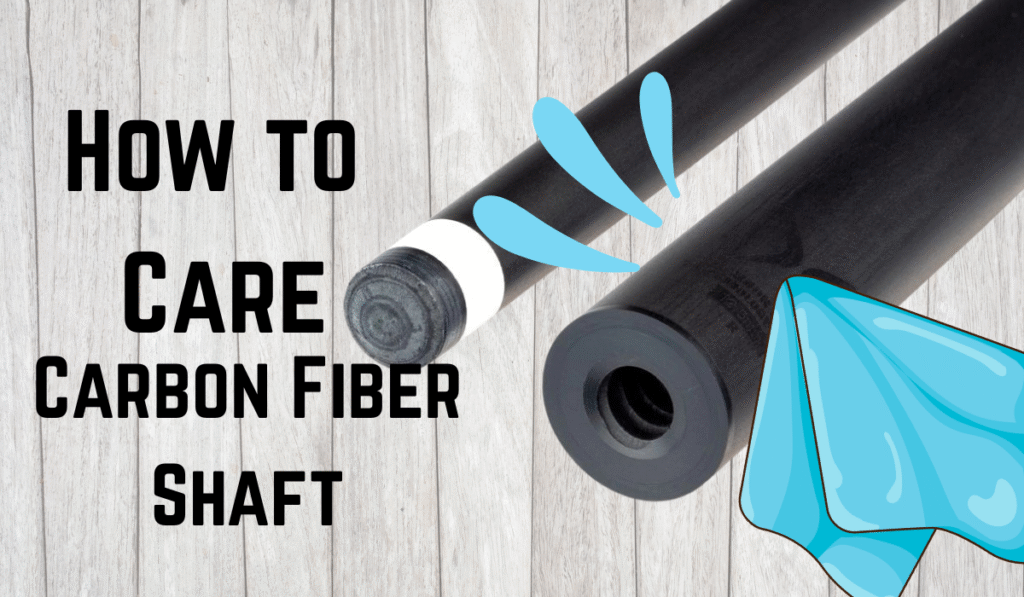
Carbon fiber shafts last longer than maple, but most players still ruin them through simple bad habits. Banging the cue, leaving it in a hot car, and skipping basic cleaning are the things that cut a shaft’s life short.
As someone who has maintained gear for league nights, tournaments, and long travel days, I have seen great shafts fail for preventable reasons.
In this guide you will learn how to protect your shaft from heat, impact, grime, and joint wear so it stays smooth, consistent, and accurate for years.
Key Takeaways
- Your shaft is durable, not indestructible. Avoid drops, table bangs, and pushing balls.
- Extreme heat and cold can still damage carbon fiber, so do not leave your cue in the car.
- Clean the shaft with a damp microfiber cloth or Predator wipes, then dry it right away.
- Use quality tips and chalk to protect your investment and keep performance consistent.
- Clean the joint regularly to maintain a precise, solid fit.
- Use joint protectors to prevent dirt and damage during transport.
- Store your cue in a well-built, insulated case to extend the life of the shaft.
Your Shaft Is Not Indestructible
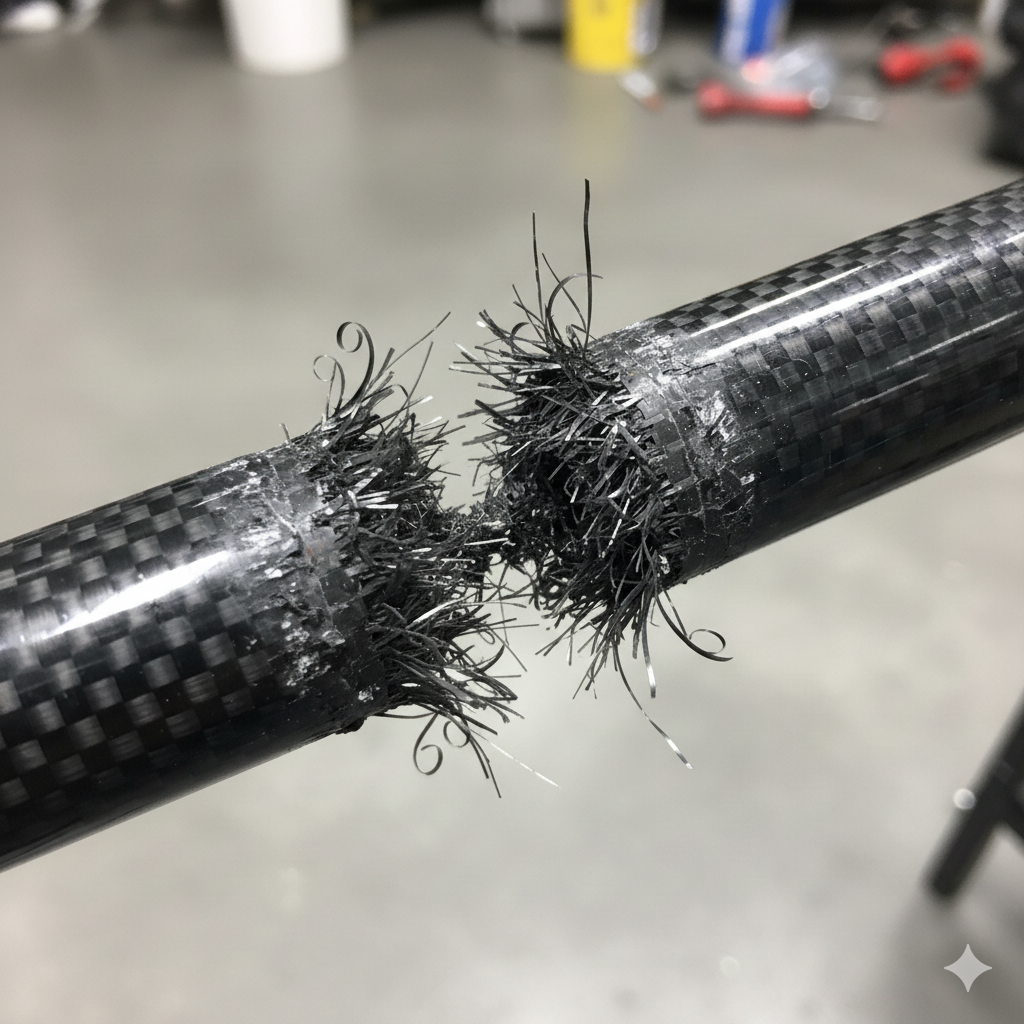
A carbon fiber shaft is more durable than a maple shaft, but it is not something you can abuse. Do not bang it on the table. Do not let it hit the floor. And do not push balls around with it.
Yes, many players do it, but it is still a bad idea. Treat your shaft well and it will last, but do not assume durability means immunity.
Temperature Changes Still Matter
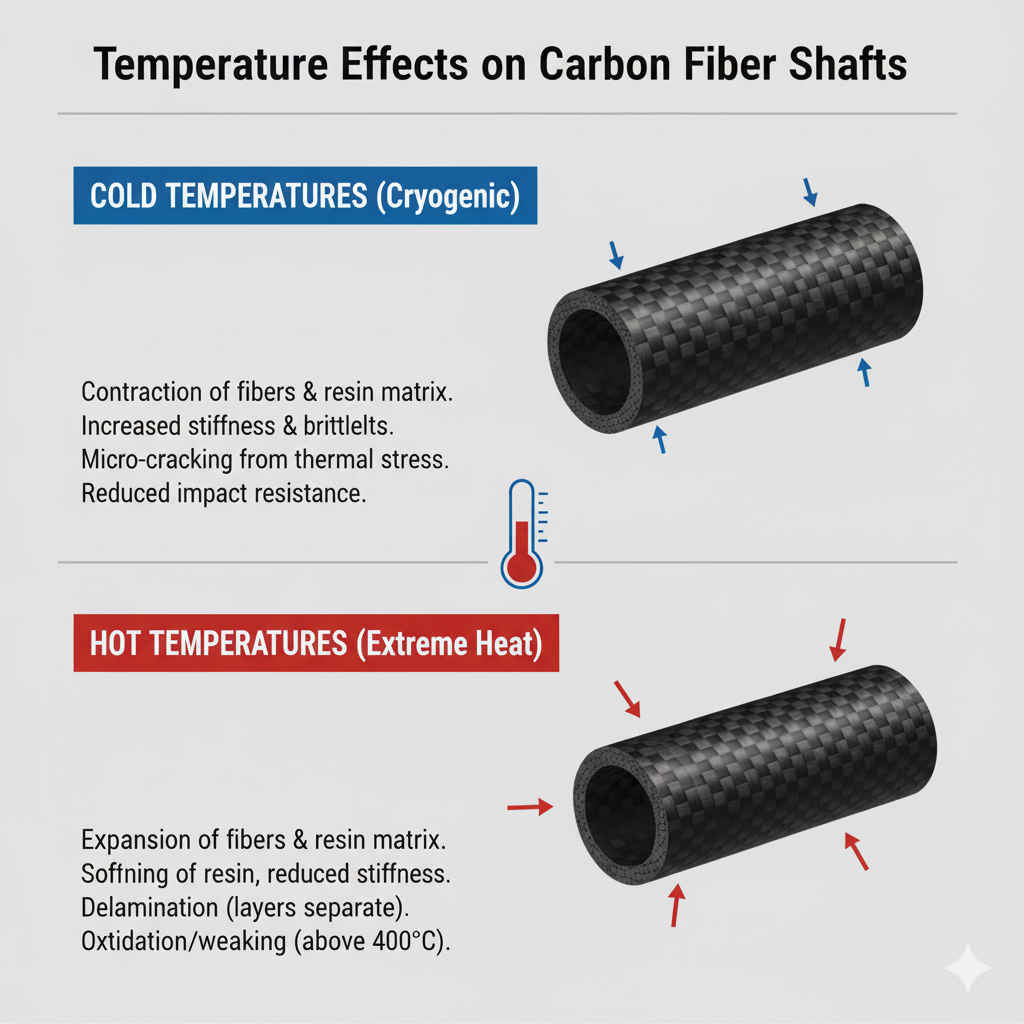
Carbon fiber handles temperature shifts better than maple, but extreme heat and cold still affect it. Leaving your cue in the trunk or back seat exposes it to those extremes. If you can avoid leaving your cue in the car, you should.
I used to keep backup cues in my car year round, and I knew they were taking a beating. Hot summers and cold winters in the Northeast are tough on any cue, carbon fiber included.
Simple, Effective Cleaning
Carbon fiber is easier to maintain than maple. That alone makes it appealing, even if it did not play as well as it does.
You can clean it with a slightly damp microfiber cloth, but the individually wrapped Predator wipes are even easier.
I keep them in my bag and hand them out when I see someone with a carbon fiber shaft. Wipe the shaft, dry it right away, and you are set.
And remember, if you invested in a quality shaft and a quality tip, pair them with quality chalk. Putting a cheap tip or bad chalk on an expensive shaft never makes sense.
Clean the Joint Too
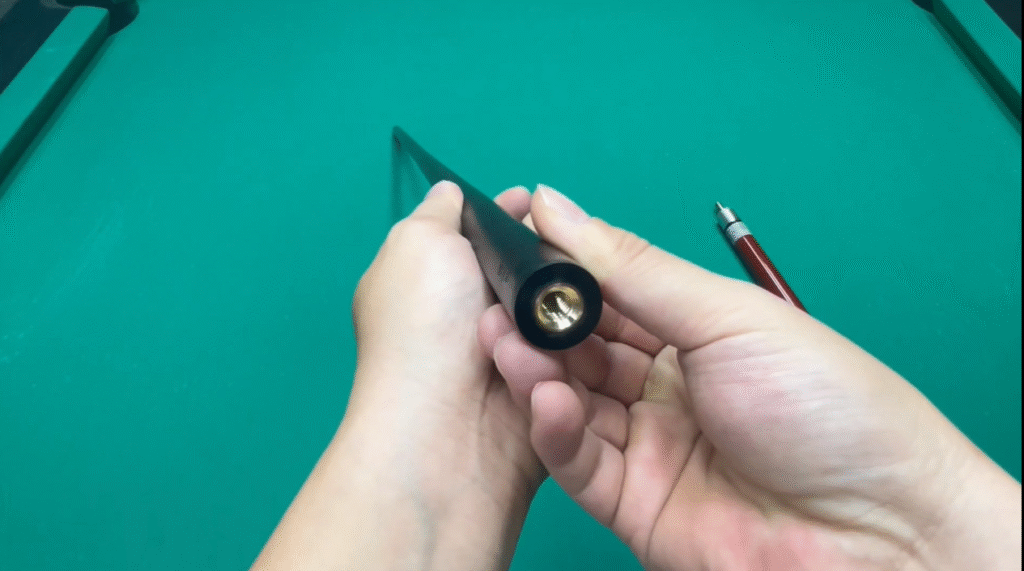
Most players forget the joint. Dirt builds up, and the fit becomes less precise.
Take a Q-tip, run it around the joint, and keep that connection clean. Your cue will fit better, play better, and last longer.
Extra Steps That Extend the Life of Your Shaft
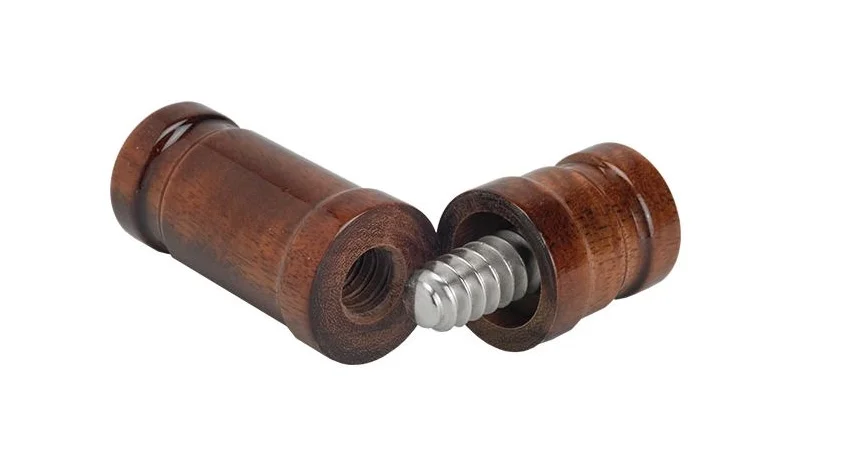
Use joint protectors. They keep the joint clean and protect it from damage. Most high-quality cues come with them, but I keep extras around because they are easy to lose.
And get a quality case. A good case with insulation is not a luxury. It protects your shaft from temperature swings and physical damage. You have made a real investment. Protect it properly.
Final Thoughts
A carbon fiber shaft can give you years of consistent performance, but only if you treat it right. Keep it clean, protect it from heat, guard the joint, and store it in a proper case.
These small habits cost nothing and save you from warped fittings, gritty feel, and premature wear. Take care of your gear and it will take care of your game.
Learn more
Dose temperature affect carbon fiber
How carbon fiber responds to impact and moisture
Carbon Fiber vs. Wooden Shafts