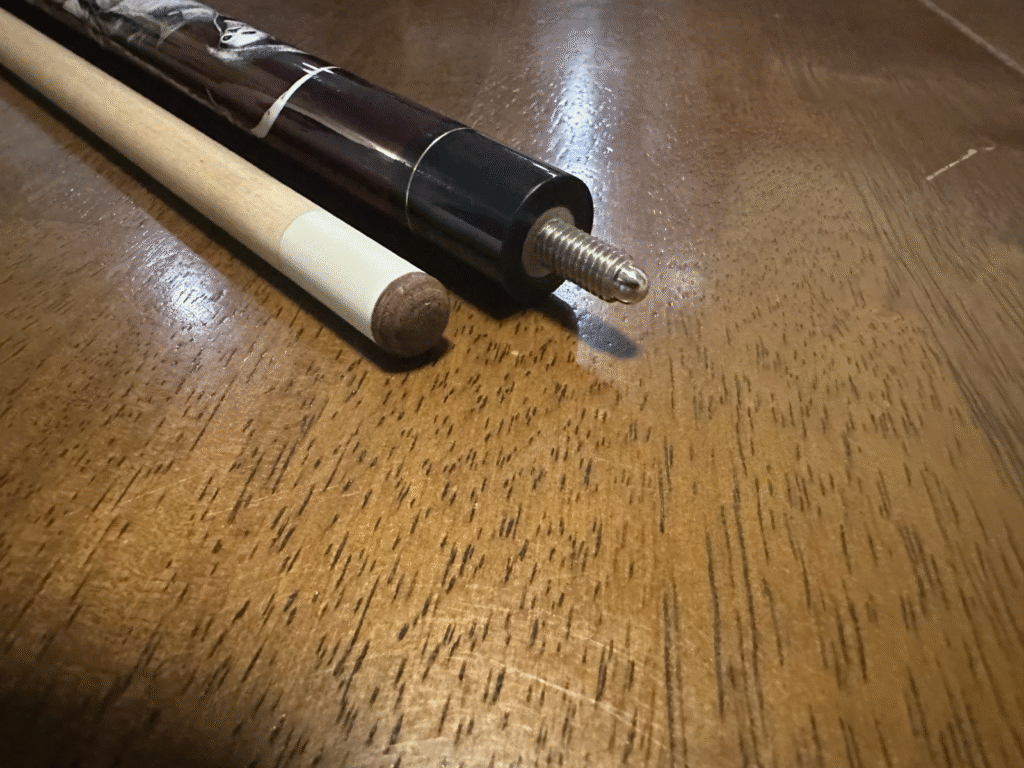
Action Pool Cues Series Overview

Many pool players want a reliable cue but hesitate to spend a few hundred dollars. More than 60 percent of casual players buy in the mid range because they need solid performance without the heavy price tag. Iโ€™ve tested and sold hundreds of cues over the years, which gives me a clear view of what actually works for everyday players. That experience is exactly why I understand why Action Pool Cues have become such a popular choice.

In this article youโ€™ll learn who Action is, what their cues are really like, and whether they fit your playing style. Iโ€™ll share practical insights so you can choose the right cue with confidence.

Key Takeaways

  • Action Pool Cues offer a wide range of series that cover beginners, casual players, and intermediate level players.
  • The Classic and Value series are ideal starting points if you want dependable performance at an affordable price.
  • Exotic, Adventure, and Fractal series focus more on visual design while keeping the same stable maple construction.
  • Summit Low Deflection cues are the best choice within the Action lineup for players who want better accuracy and control.
  • Impact and Sneaky Pete series appeal to players who prefer a direct feel and traditional cue behavior.
  • Break and Jump cues from Action are built specifically for power and durability, not for everyday shooting.
  • Junior and Starter series help new and young players develop proper fundamentals more easily.
  • Overall, Action cues prioritize value, consistency, and accessibility rather than high end technology.

Cue SeriesPrimary FocusDesign StyleSkill Level
ClassicEveryday performanceTraditional and cleanBeginner to intermediate
ExoticBalanced play and looksBold wood and color accentsBeginner to intermediate
AdventureArtistic expressionGraphic and themed artworkBeginner to intermediate
ImpactFast feedbackBold and aggressiveIntermediate
Summit Low DeflectionAccuracy and controlClean and performance focusedIntermediate
Break and JumpPower shotsFunctional and stiffAll levels
JuniorEasy handlingCompact and simpleYouth and beginners
Black and WhiteVisual contrastMinimal and modernBeginner to intermediate
FractalStandout visualsColorful and geometricBeginner to intermediate
KhromeModern aestheticsMetallic and polishedBeginner to intermediate
RingCraft detailsSymmetrical ringworkBeginner to intermediate
Sneaky PeteTraditional feelPlain mapleBeginner to intermediate
StarterLearning fundamentalsSimple and lightweightBeginners
ValueBudget friendlyBasic and practicalBeginners and casual players

What Is Action Pool Cues

Action is a well known American cue brand that focuses on value and consistency. They design cues for everyday players who want something better than a house cue but do not want to spend premium money. Their goal is simple. Build cues that feel solid, look good, and hold up over time.

The brand has grown quickly because their products are easy to use. Many league players and new players start with an Action cue before upgrading to a higher tier brand.

Build Quality and Materials

Action cues use hard rock maple for most of their shafts. This type of wood is stable and gives a predictable hit. The butts often combine maple, composite rings, and simple decorative inlays. You will not find exotic engineering or advanced technology. Instead, you get honest materials that perform well for the price.

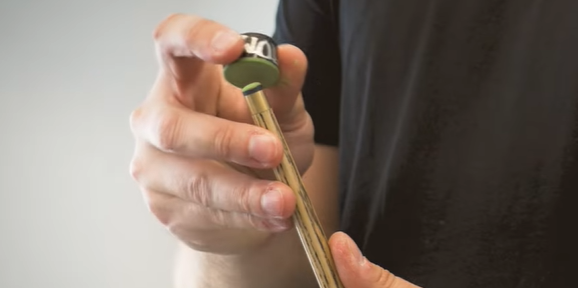
Each cue comes with a standard 13 mm tip. Most players upgrade the tip later for better spin and control. The joints are smooth and fit tight enough to avoid rattling or vibration.

How Action Cues Perform

Action cues deliver a medium feel. Not too soft. Not too stiff. This makes them friendly for beginners who are still building a consistent stroke. The cue ball feedback is clear enough for players to learn English and speed control.

Most shafts have medium deflection. Experienced players will notice more cue ball squirt compared to high end LD shafts. For many casual players this is not a problem. The performance is more than enough for league play or regular practice.

Who Should Buy Action

Action is a great fit for players who want a reliable starter or mid level cue. If you are moving up from a bar cue, this is a clear upgrade. If you play once or twice a week, Action gives you stability without pressure on your budget.

Break and jump models in the Action lineup are also popular. They are affordable and powerful enough for most players who want a dedicated breaking cue.

Action Pool Cue Series Overview

Classic Series

The Classic Series is the foundation of the Action brand. These cues focus on simple maple construction and traditional point patterns. The hit is predictable and steady, which makes them a favorite among new players and league regulars. Classic models offer balanced weight and clean finishes that feel familiar from the very first shot.

Exotic Series
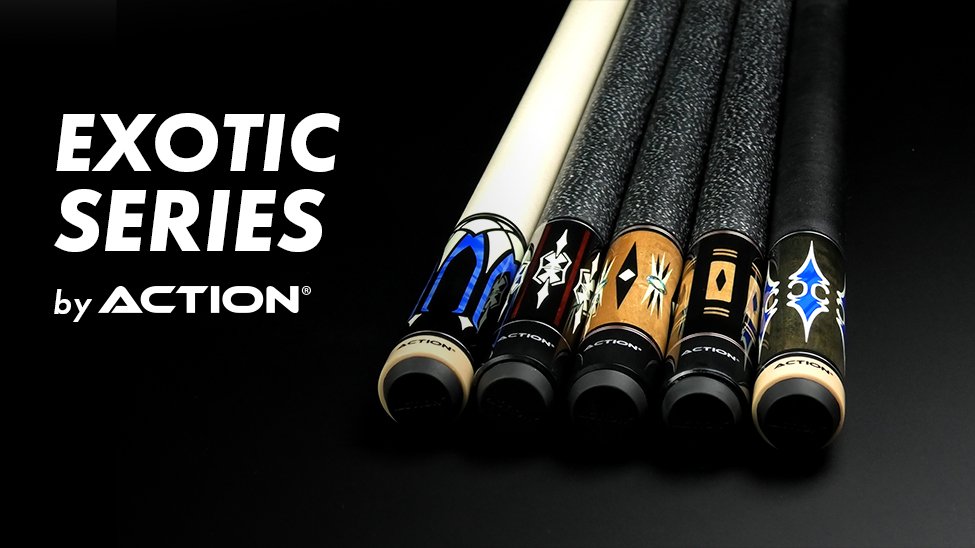

The Exotic Series adds more striking visual details. These cues use bold color combinations, decorative overlays, and multiple wood tones. They maintain the same stable maple shaft but look far more refined. Players choose this series when they want dependable performance with strong visual appeal.


Adventure Series
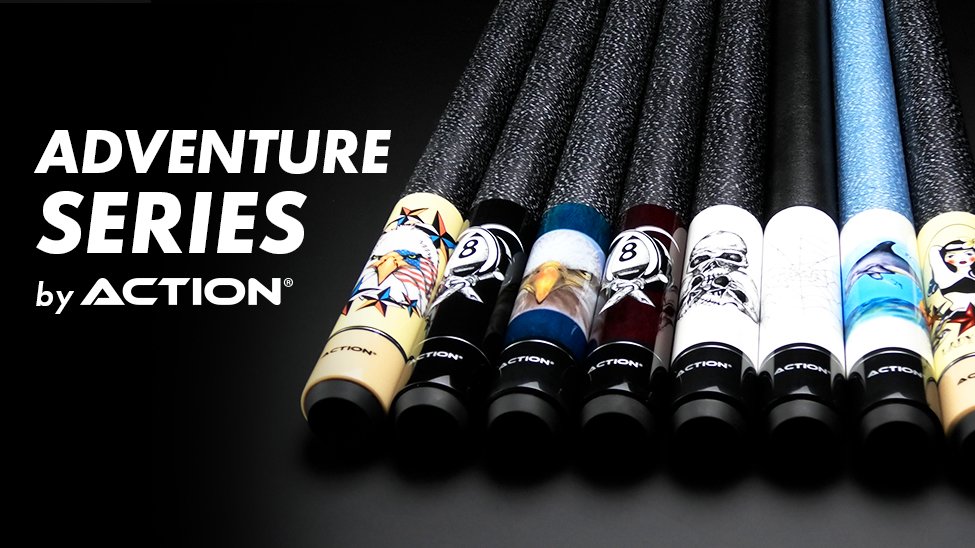

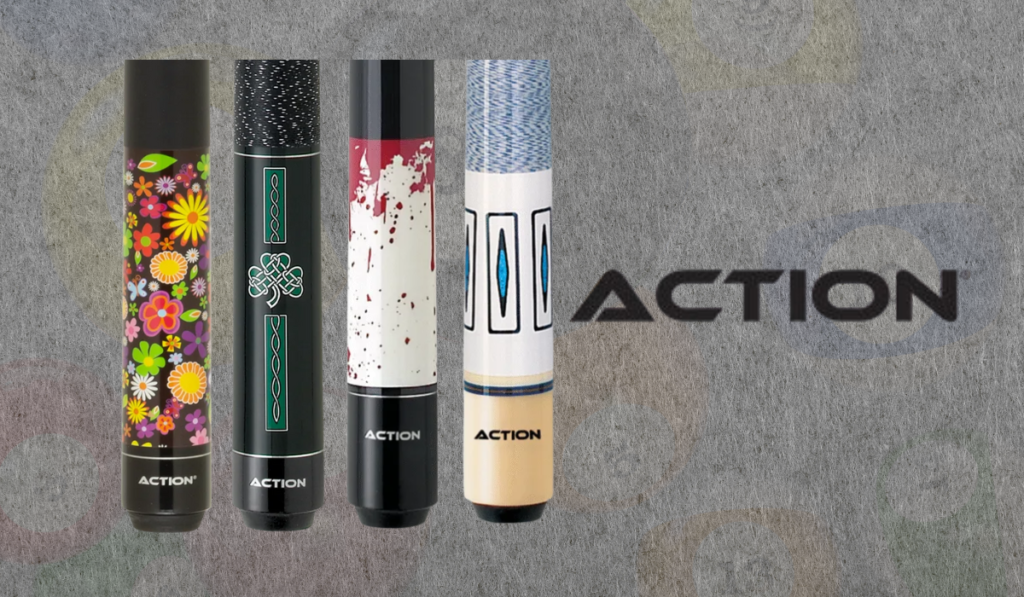
The Adventure Series brings artwork and creativity into the cue. Designs range from fantasy themes to tattoo inspired graphics. These cues play with the same consistency as other Action lines but are perfect for players who want personality in their gear. Each cue looks like a piece of art on the table.


Impact Series
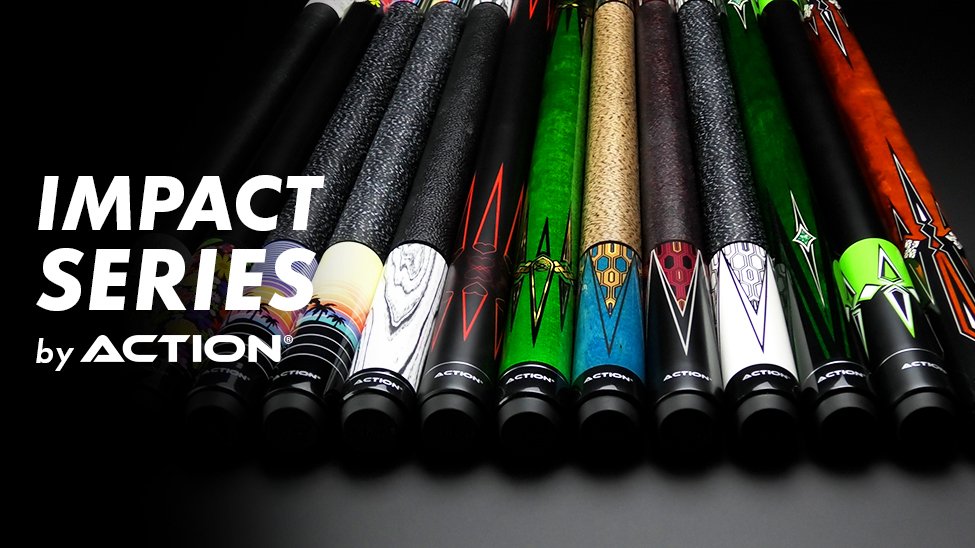

The Impact Series offers a more aggressive look and a sharper playing feel. Many models feature no wrap handles that give a direct wood to hand connection. The response feels fast and clear. Players who enjoy quick feedback and bold designs gravitate toward this line.


Summit Low Deflection Series


The Summit Series focuses on enhanced accuracy. These cues use low deflection shafts that reduce cue ball squirt and improve control when applying English. The taper is refined and the front end is lighter, which helps players aiming to step up their precision. This line bridges the gap between mid range and premium performance.


Break and Jump Series
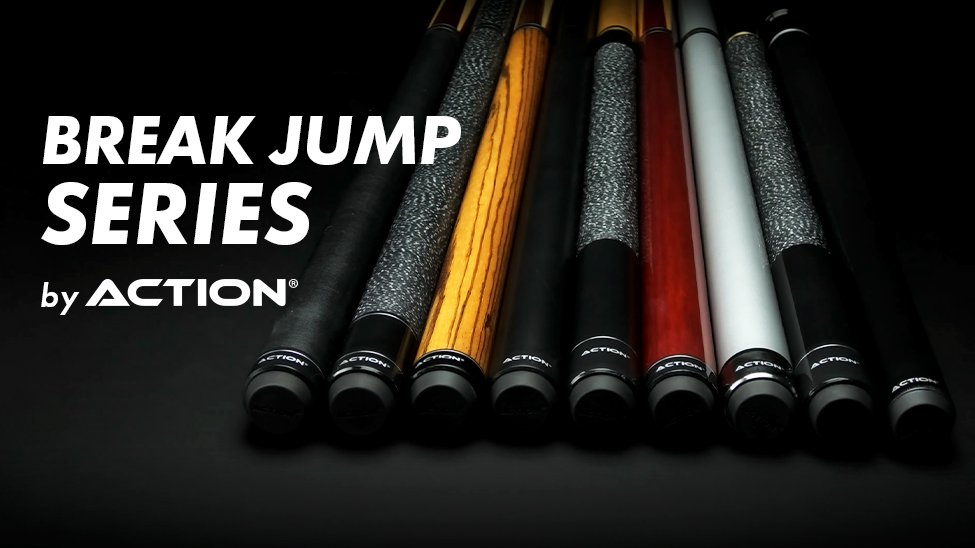

The Break and Jump Series is built for powerful shots. These cues are stiffer and often slightly heavier, allowing players to transfer more energy into the cue ball. They also handle high impact jumps with ease. Many players pair these cues with their main shooter for more reliable breaking.


Junior Series
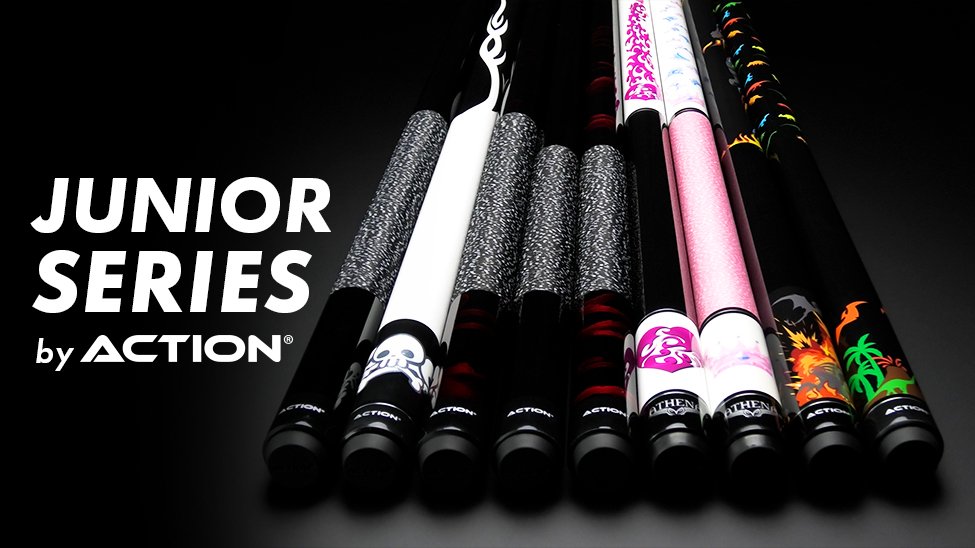

The Junior Series is designed for younger players and tight spaces. These cues are shorter and lighter while still offering the same reliable construction. They are ideal for beginners who need easier control and smoother stroke development.


Design Focused Series

Black and White Series
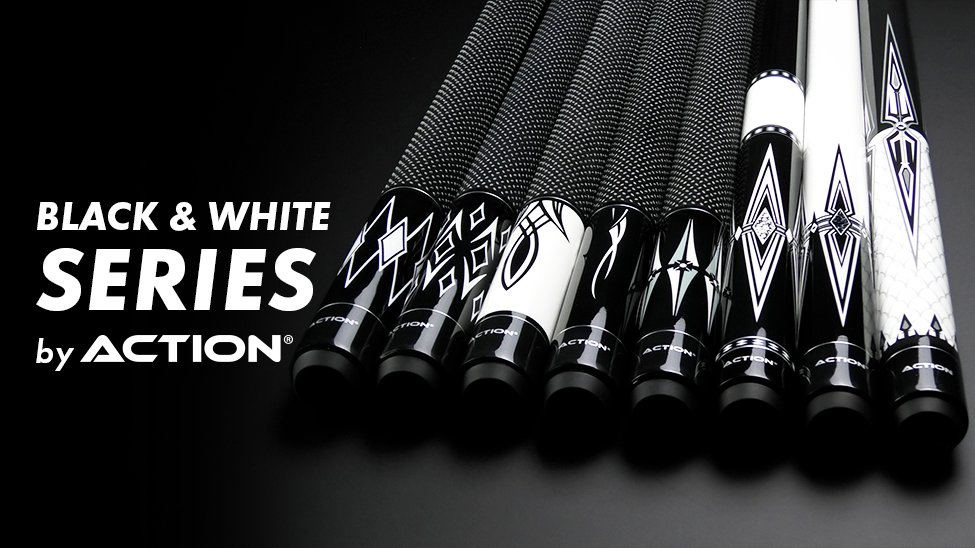

The Black and White Series uses sharp contrast to create a clean, modern look. These cues feel minimalist but bold. The maple build remains steady and controlled. Players who prefer simple but striking visuals enjoy this series.


Fractal Series
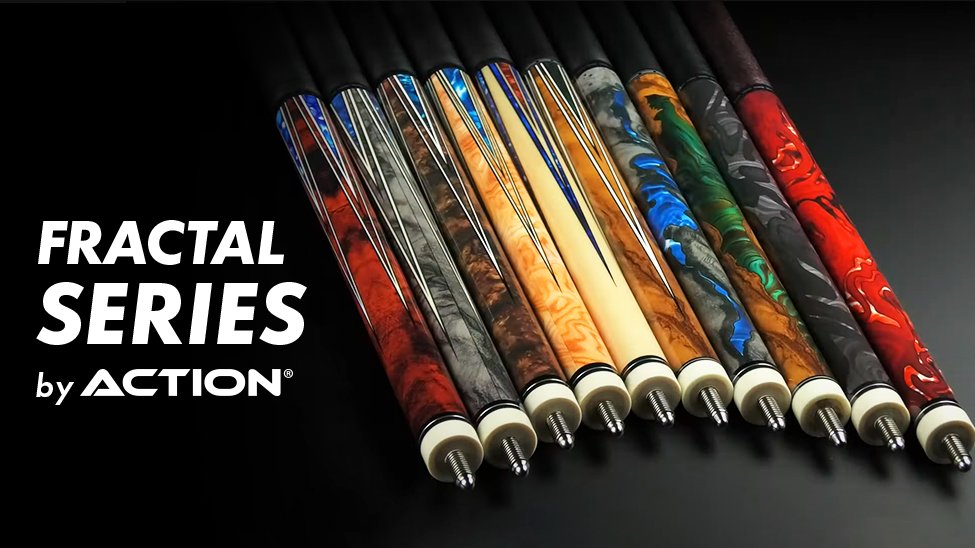

The Fractal Series features bright geometric artwork and digital style patterns. These cues stand out immediately because of their colorful designs. They perform with the same stability as the Classic line but deliver a much more vibrant presence at the table.


Khrome Series
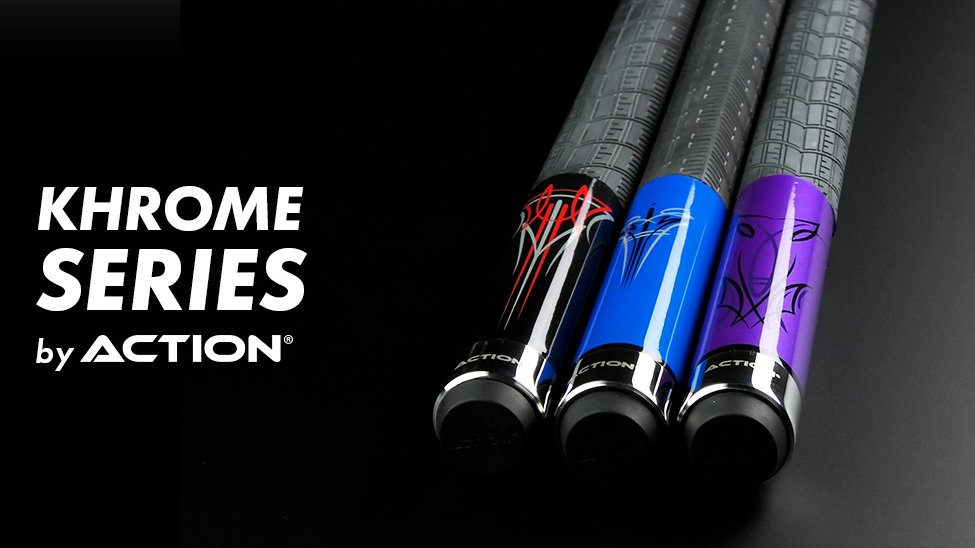

The Khrome Series blends metallic inspired graphics with polished finishes. The look feels modern and sleek. The playability stays consistent with a medium hit. This line appeals to players who want a high tech aesthetic without changing the core feel of their cue.


Ring Series
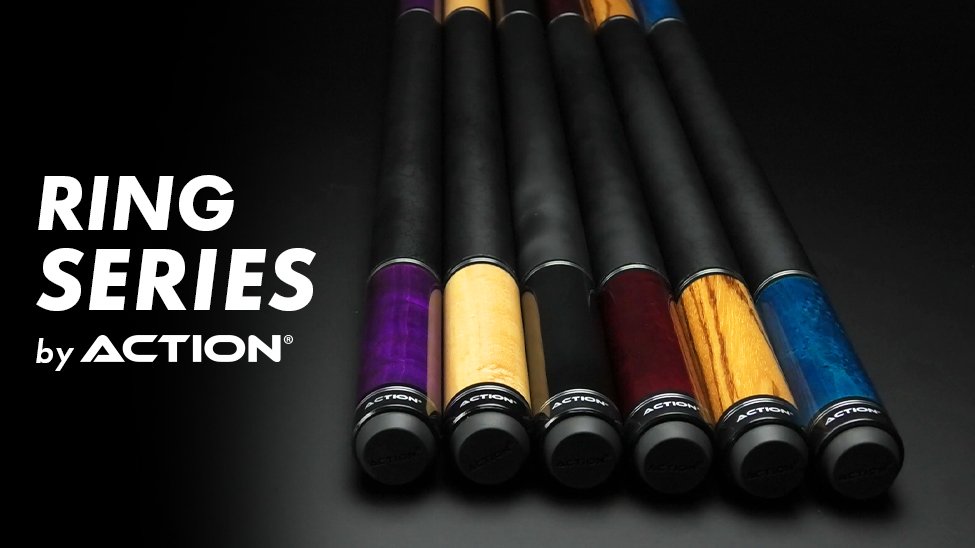

The Ring Series highlights detailed ringwork placed throughout the cue. The design feels balanced and precise, using accent rings to tie the forearm and butt together visually. Players who appreciate clean craftsmanship and symmetry enjoy this series.


Sneaky Pete Series
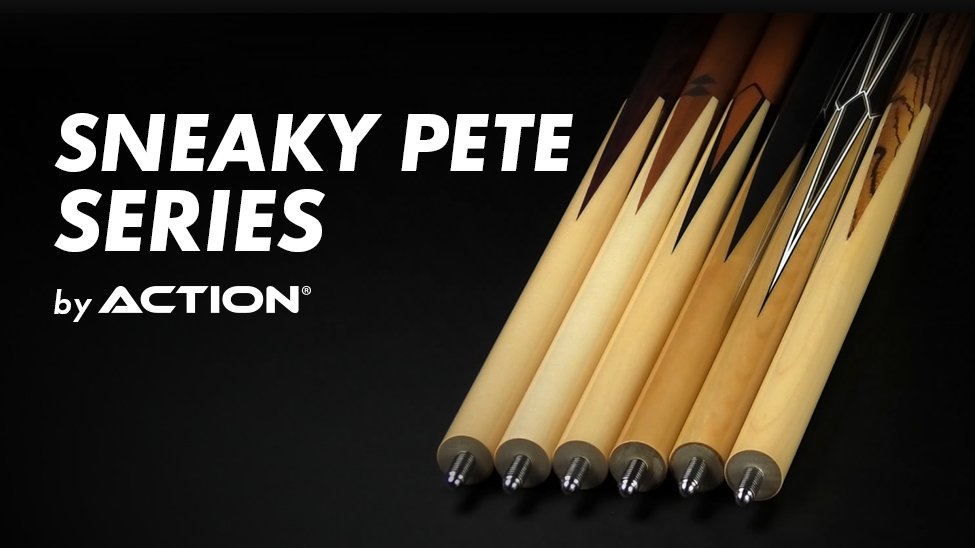

The Sneaky Pete Series looks simple on purpose. These cues mimic house cue designs but offer much better consistency and control. The plain maple look hides a smooth and stable hit. This line is ideal for players who like the classic bar cue style with upgraded performance.


Entry Level and Budget Series

Starter Series
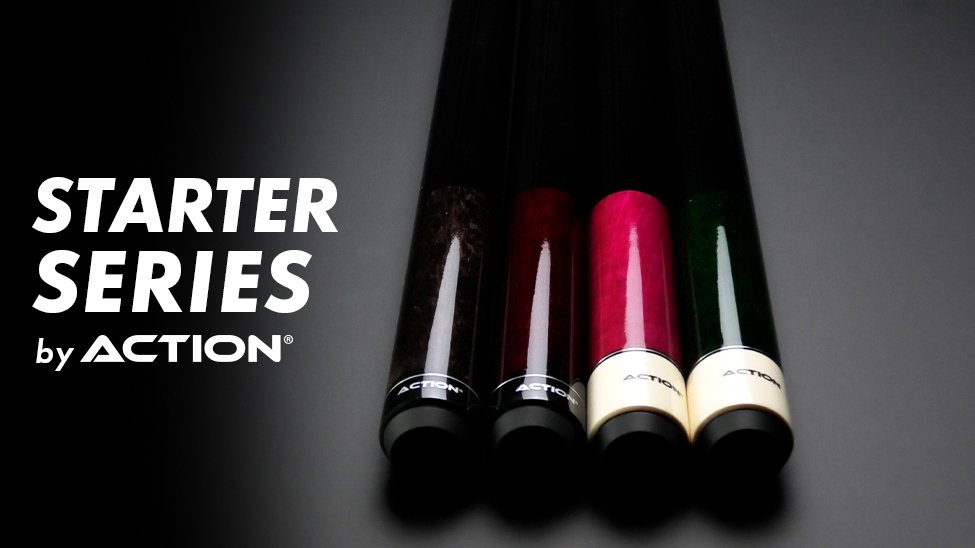

The Starter Series is made for beginners picking up their first cue. The design is simple and lightweight, making it easier to build a consistent stroke. These cues offer dependable performance without overwhelming new players.


Value Series
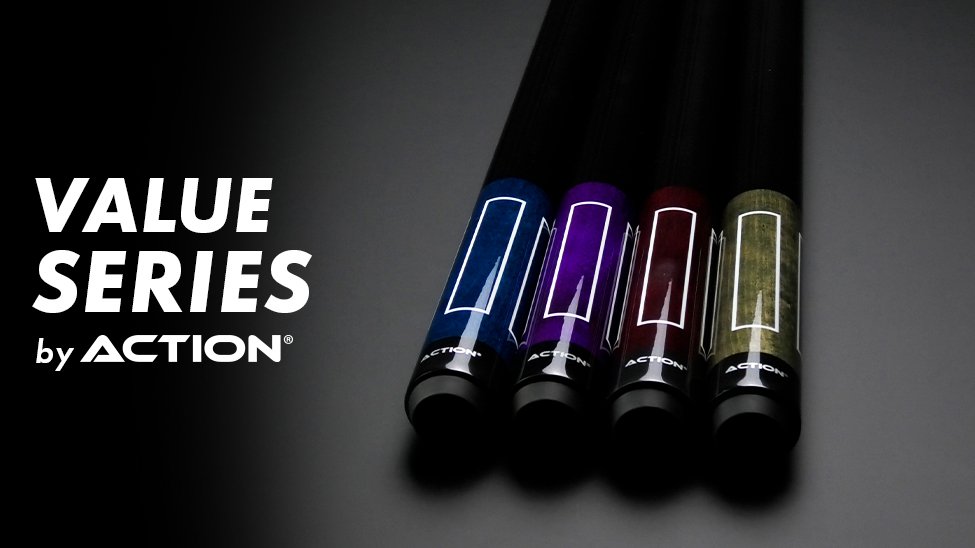

The Value Series focuses on affordability while keeping Actionโ€™s core playability. These cues use basic maple construction and straightforward graphics. They are ideal for casual players who want something better than a house cue at a price that fits any budget.


Conclusion

Which Action series fits your playing style best? Do you prefer classic looks, bold designs, or performance focused cues? We would love to hear your thoughts and experiences.

If you are ready to shop, you can explore our full selection of Action Pool Cues in our store. We carry popular models across multiple series and are always happy to help you find the right cue for your game.
Differences Between English Pool, Snooker, and American Pool Cues

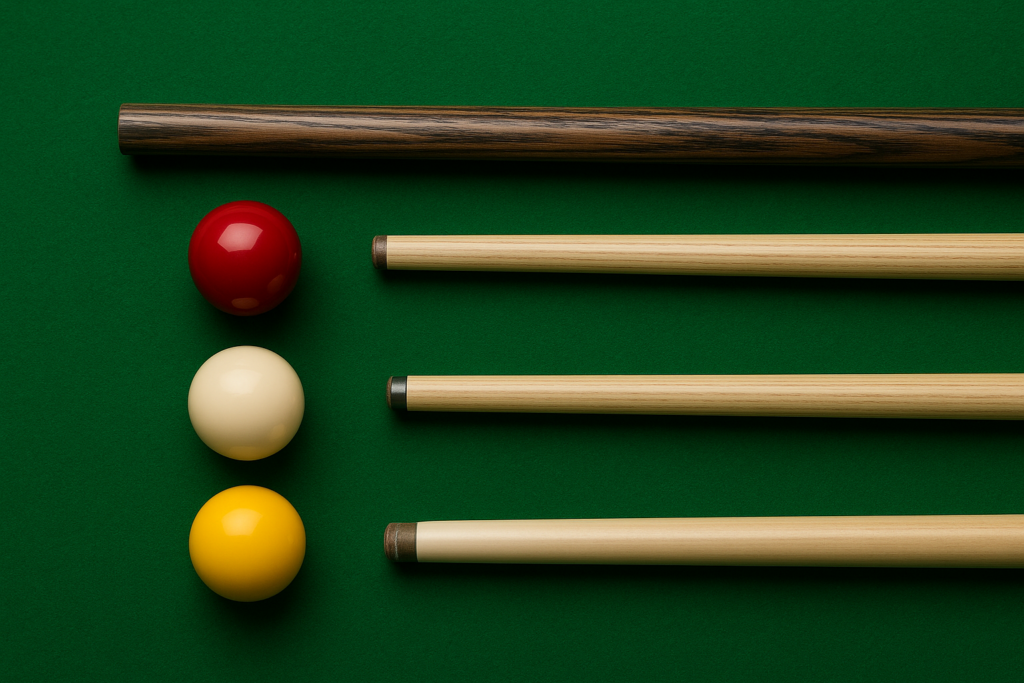
Many customers are unsure which cue they should use for different cue sports. Pool and snooker may look similar on the surface, but the equipment especially the cue is designed around the size and weight of the balls. In this guide, Iโ€™ll walk you through the key differences between English pool cues, snooker cues, and American pool cues, and explain why each one is built the way it is.

Key Takeaways

FeatureEnglish Pool CueSnooker CueAmerican Pool Cue
Cue Ball Size Used1 7/8″2 1/16″2 1/4″
Tip Size8โ€“9 mm9.5โ€“10 mm (up to 11 mm)~13 mm
Cue WoodAshAshMaple
Ferrule TypeBrass/metal (small)Stainless steelThick plastic (shock-absorbing)
Cue ConstructionOften 2-piece (center joint)Often 3/4 jointMostly 2-piece (center joint)
Primary PurposePrecision & control for small ballControl with extra stabilityPower & durability for heavy ball
Not Ideal ForAmerican pool (too thin/weak)American pool (tip too small)English/snooker finesse shots

Cue Ball Sizes

Before comparing cues, we need to look at the cue balls themselves. The size of the ball determines the structure, strength, and tip size of the cue.

Game TypeCue Ball SizeNotes
English Pool (8-Ball)1 7/8 inchesSmallest and lightest cue ball
Snooker2 1/16 inchesSlightly larger; requires a slightly thicker cue tip
American Pool2 1/4 inchesLargest and heaviest cue ball

These differences directly impact what type of cue is suitable for each game.

English Pool Cues

English pool cues are designed for the smaller, lighter English eight-ball cue ball.

Key Features

  • Tip size: 8โ€“9 mm
  • Material: Usually ash
  • Purpose: Precise cue-ball control

The thin tip gives players excellent accuracy for finesse shots. However, this same thinness makes it unsuitable for American poolโ€”the cue simply isnโ€™t built to take the repeated impact of heavier balls.

Two-Piece Construction

Many English pool cues split at the center with a brass joint. This makes them easier to carry while maintaining balance and playability.

Snooker Cues

Snooker balls are slightly larger than English pool balls, so the cue must match.

Key Features

  • Tip size: 9.5โ€“10 mm (some players prefer up to 11 mm)
  • Ferrule: Often stainless steel
  • Material: Ash
  • Construction: Commonly a three-quarter joint, positioned closer to the butt for better stiffness

The snooker cue offers a blend of control and durability, designed for the longer table and slightly heavier ball.

American Pool Cues

American pool cues are built for strength. The 2 1/4-inch cue ball demands a sturdier cue with a wider tip.

Key Features

  • Tip size: Around 13 mm
  • Ferrule: Thick plastic to absorb shock
  • Material: Typically maple (lighter, cleaner grain compared to ash)
  • Construction: Usually a two-piece cue that splits in the middle

The wider tip and robust ferrule allow players to strike the heavier ball with speed and power without risking damage to the cue.

Choosing the Right Cue for Your Game

Once you understand the relationship between cue ball size and cue construction, picking the right cue becomes much easier. Many customers visit our showroom unsure of which cue fits which table. After going through these differences, you now have the knowledge to choose confidently.

If youโ€™re interested in a deeper breakdownโ€”including the differences between English and American pool tablesโ€”weโ€™ve created a full video that covers every detail, from ball size to table design to cue specifications.

Learn More

Billiard Congress of America

Different Pool Game Rulesย 

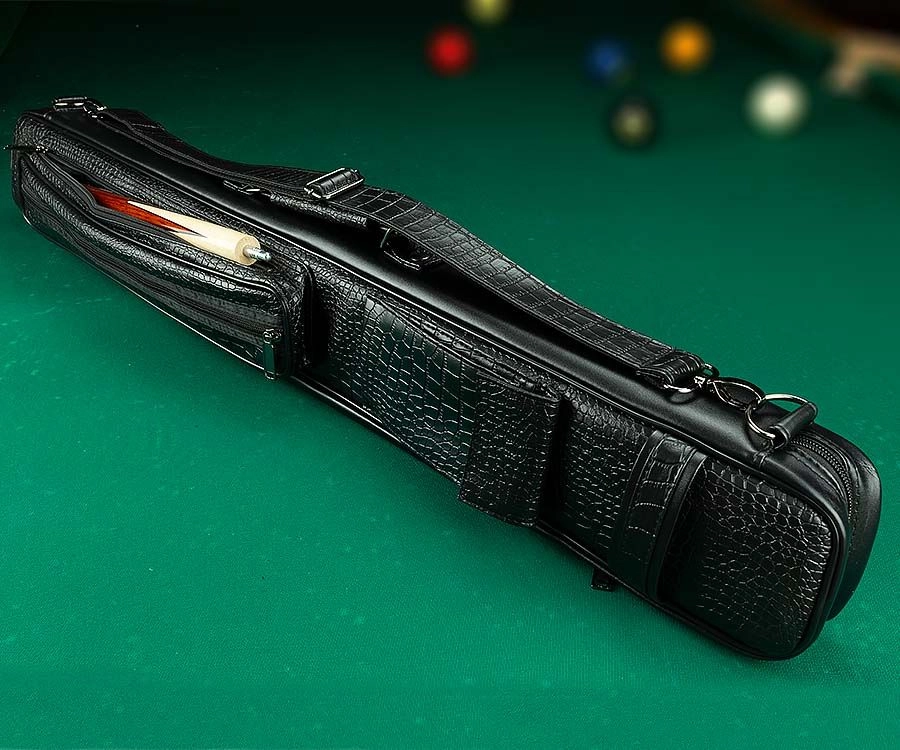
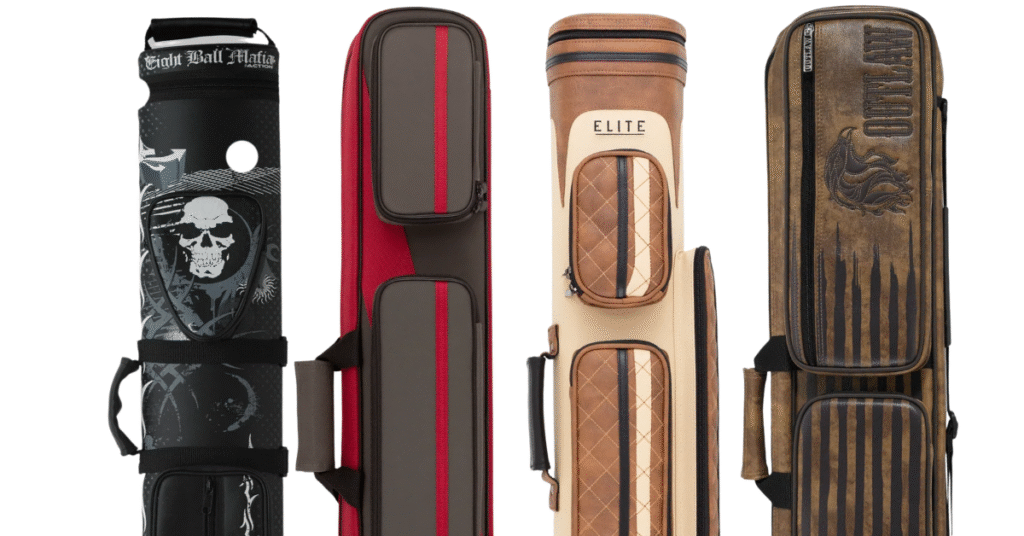
My Ultimate Guide to Leather Pool Cue Case

If youโ€™re someone who spends time playing or following pool, youโ€™re probably no stranger to leather cue cases.

Compared to other materials, leather cases clearly stand out. Honestly, they look dope.

To me, a leather cue case is like a leather bag or briefcase, it just looks great. You enjoy looking at it, you enjoy using it, and you even enjoy showing it off to your friends. It sparks something inside you, like wearing a good watch.

I believe investing in a quality leather case is a smart move. A well-made leather case is a solid investment, and the best part is, you can use it for years. The more you use it, the better it looks, and over time, it carries your personal mark.

There are many things to consider when buying a case, your playing style, how often you travel, how many cues you use, and your budget. Everyone has their own preferences, but itโ€™s worth thinking about these before making a purchase (By yourself ).

This article focuses on the basic elements that make a high-quality leather case. In my view, there are three main ones:

  • Leather quality
  • Inner protection structure
  • Finishing details

Leather Quality

Leather checking 101 for beginners:

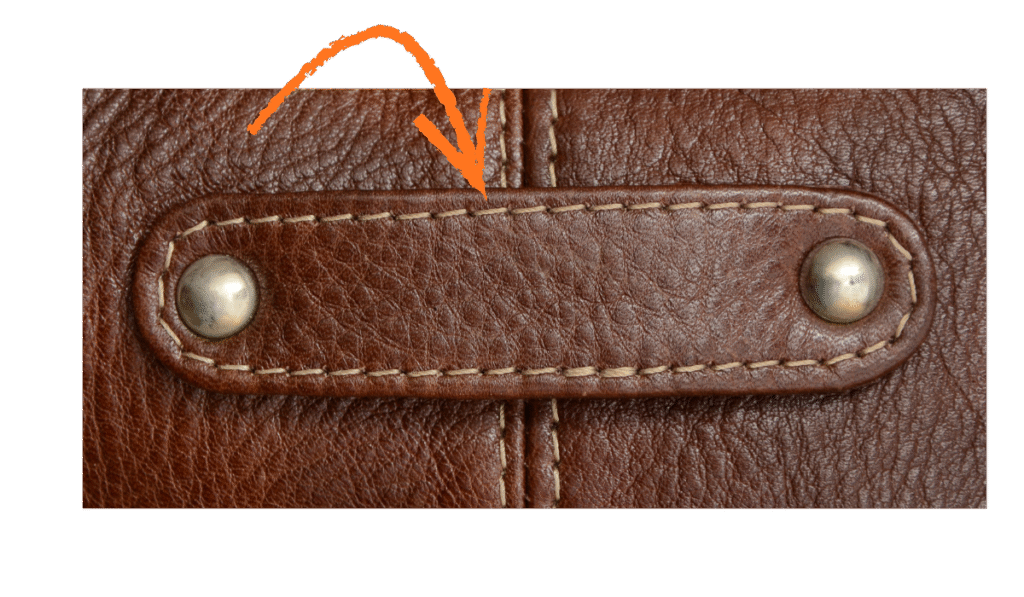
If youโ€™re holding your leather case right now, pay attention to a few things. First, look closely at the surface. Real leather has natural grain and color variation, not uniform like printed leather. If you hear a soft creak when you bend it, thatโ€™s another good sign.

If you canโ€™t touch it in person, check the product description. You want your case to be made from full-grain or top-grain leather. These are the highest-quality types, durable, flexible, and they age beautifully over time.

If you see bonded leather, PU leather, or synthetic leather, be cautious. These are mixed or artificial leathers. They might look shiny and nice at first but tend to peel, crack, or fade after a few years.

These are just the basics to help you spot a good leather case. If youโ€™ve got your own tips for checking leather quality, drop them in the comments.

Also, keep in mind that one case might not use the same type of leather throughout. Manufacturers often combine different leathers for different parts.

Inner Protection Structure

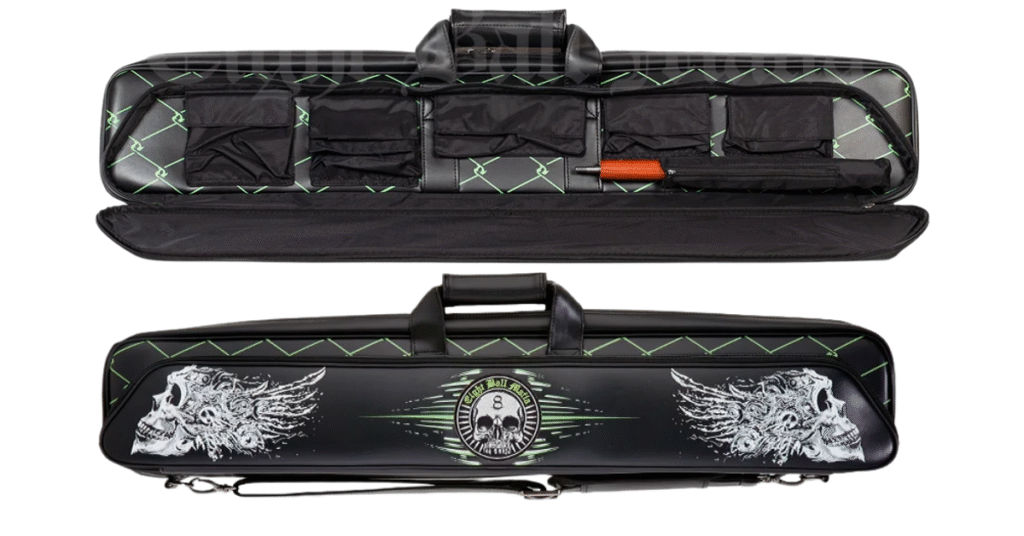
The inside of a case is just as important as the leather on the outside. A case that looks good on the outside can still fail to protect your cue if the inner build is poor.

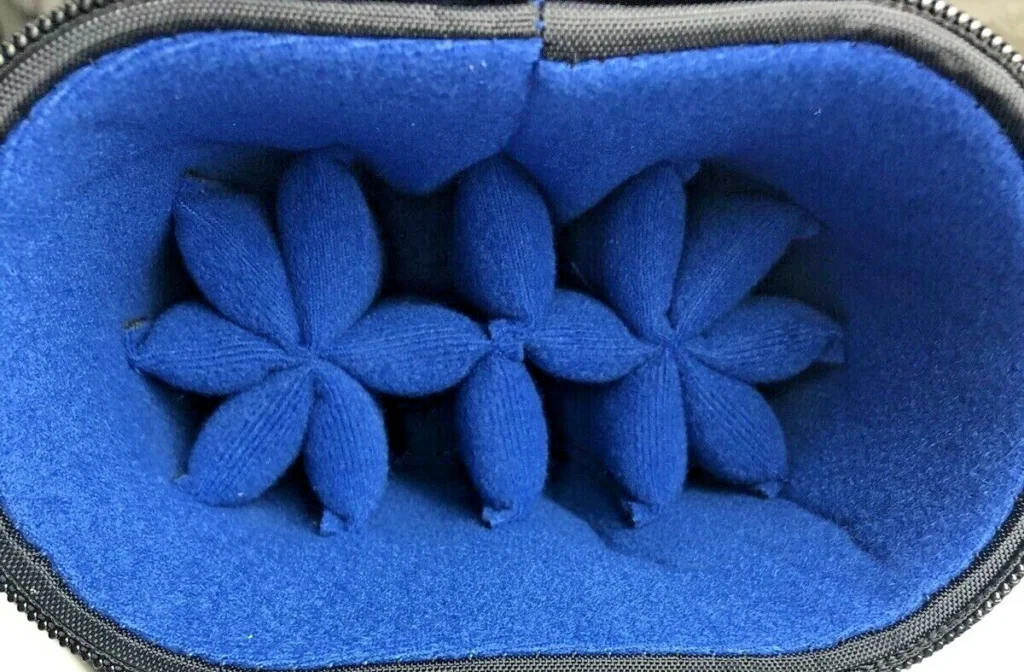
The main job of the interior is to keep your cues from moving, bumping, or taking direct impact when you travel. Some cases are stiff on the outside but too loose inside, allowing cues to rattle. Over time, that can cause small scratches or wear on your cue.

A good case holds your cue snugly, not too tight, not too loose. When you tilt or lift it, the cue stays in place. Itโ€™s the same feeling as storing something valuable exactly where it belongs.

The lining material says a lot about the makerโ€™s mindset. If itโ€™s soft, thick, and has a little bounce, thatโ€™s usually a sign of care and craftsmanship.

The bottom of the case also matters. Itโ€™s the part most people overlook, yet it takes the most impact. Every time you set the case down, all the weight of your cue presses on the bottom. If itโ€™s thin or just leather without padding, itโ€™ll dent or crack quickly.

High-quality cases often have a rubber pad or thick wooden base wrapped in leather, which helps absorb shock and protects the butt of the cue from hard hits.

When you test a case, set it down a few times. If the base feels solid and quiet, thatโ€™s a good sign. If it feels hollow or flimsy, that case probably focuses on looks more than function.

Finishing Details

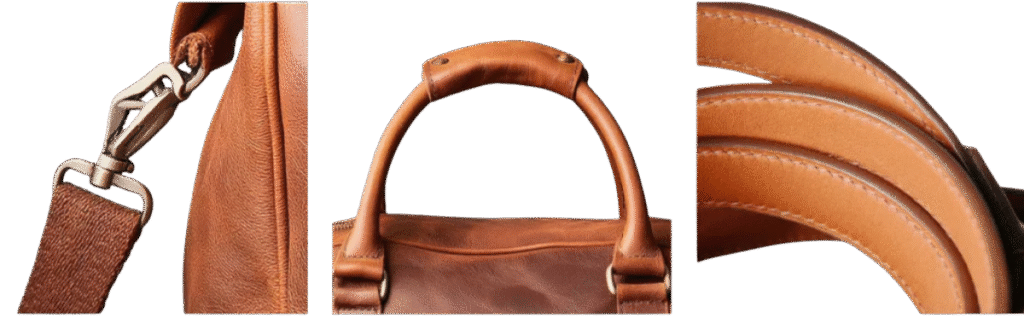
A good case isnโ€™t just about quality leather or strong structure, itโ€™s about the little things many people overlook. Details like stitching, straps, hinges, zippers, and clasps show the makerโ€™s craftsmanship.

When you pick up a well-made case, you can feel the quality right away. Clasps close firmly, not loosely. The zipper slides smoothly, not stiff or sticky. When it glides quietly and evenly, thatโ€™s the mark of a solid zipper.

Cheap cases often use plastic or thin-coated metal zippers that jam or fade within months. A sturdy metal zipper gives a leather case both strength and a premium feel.

The stitching should be straight, even, and tight. Good cases often have recessed stitching or stitching pressed close to the edge.

Look closely at the leather edges, too. Properly treated edges are smooth and uniform in color. Many low-end manufacturers skip this step, and the edges start cracking or separating after a few months.

The straps and handles take the most stress, so they should be reinforced or have inner padding. Thin, single-stitched straps usually break at the joints after a short while.

These small details donโ€™t just show style, they reflect the makerโ€™s respect for their work. A trusted brand always checks every stitch and zipper.

Conclusion

If you decide to get one, choose a case made with real materials and solid craftsmanship. Treat it well, and it will follow you for years, just like a trusted cue that never lets you down

Key Takeaways

  • A good leather case isnโ€™t a short-term buy
  • Real leather, especially full-grain and top-grain, ages beautifully and lasts for years.
  • The inside matters as much as the outside.
  • Always check the bottom, zippers, and stitching.
  • A solid metal zipper, thick straps, and clean edges are signs of a well-made case..

Learn more about leather here:

Whatโ€™s the difference between real leather and fake leather?

What do full-grain, top-grain, and genuine leather mean?

What is vegetable-tanned leather?

What does real leather smell like?

How can I know what type of leather a product uses?

How to Choose the Right Pool Cue Case Size

Hard vs Soft Pool Cue Cases: Which One Protects Better?

When you spend money on a pool cue, protecting it is just as important as how you play with it. A cue that bends, chips, or absorbs moisture loses its edge fast. That is why choosing the right case matters. But there is one question every player faces at some point: should you go for a hard case or a soft case?

At first glance, it seems simple. Hard cases look tougher. Soft cases look lighter. Yet the right choice is not just about which one protects better. It is also about what gives you the best value for the money and fits your daily routine.

This guide breaks down both options from a practical point of view. You will see what each type offers in terms of protection, comfort, price, and long-term value.

Understanding the Two Types

Let us start with the basics.

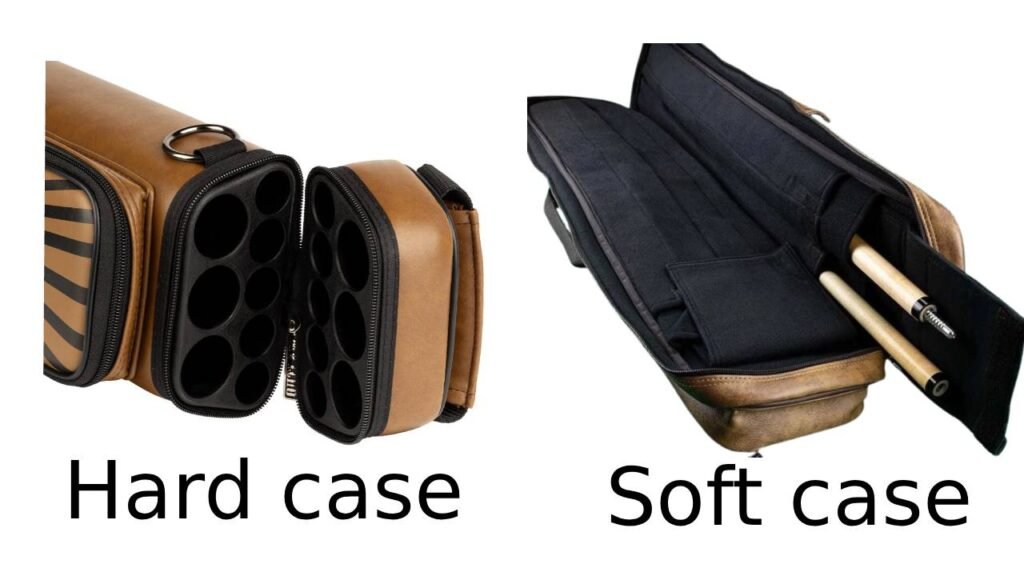
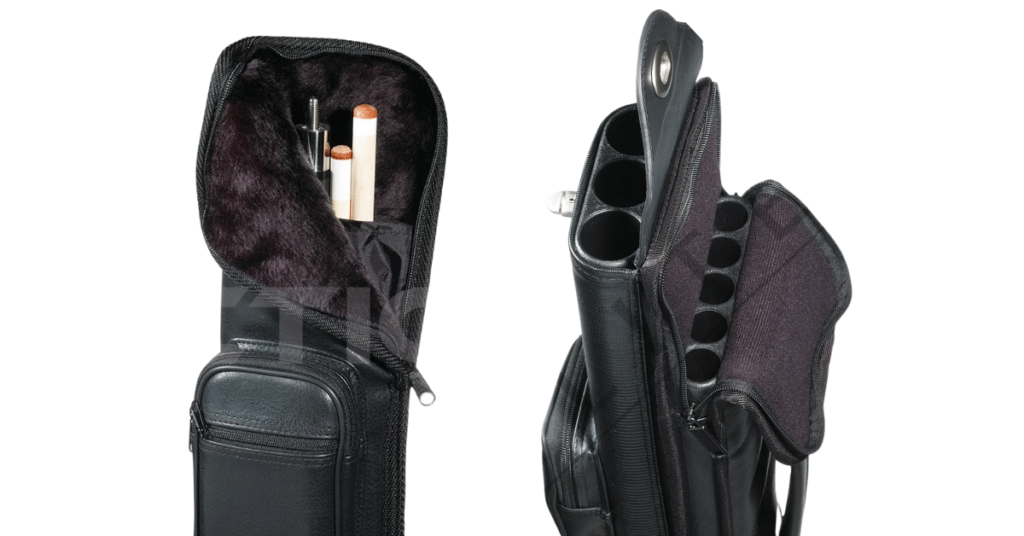
A hard cue case has a rigid outer shell, usually made from molded plastic, leather-covered wood, or high-impact composite. Inside, there are foam or felt-lined tubes that hold your cue parts in place. Everything stays separated and locked in position. The idea is to keep your cue safe even if the case gets dropped or bumped around.

A soft cue case, on the other hand, has a flexible body made from leather, canvas, or nylon. It uses padding rather than rigid tubes to keep the cue safe. Most soft cases have a zippered design and shoulder straps, making them easy to carry and convenient for short trips.

Both cases do the same basic job, but how they do it is very different.

Protection Comes First

Let us talk about what matters most: protection.

A hard case provides the best defense against impact. Its solid shell absorbs shocks before they reach the cue inside. If you travel often, play in different venues, or store your cue in a car, a hard case is the smart choice. The structure keeps the cue straight, shields it from temperature changes, and prevents warping.

With a hard case, you can drop it accidentally, bump into doors, or toss it in the trunk without much worry. The cue stays in place and comes out exactly as it went in. That level of security is what you pay for.

A soft case offers basic protection but not the same peace of mind. It works well for casual play when you handle your gear carefully. The padding prevents scratches and light bumps, but if the case takes a hard hit, the cue inside can still suffer.

If your cue is expensive or custom-made, it is worth investing in a hard case. The extra protection pays off every time you travel or store it in less-than-ideal conditions.

The Power of Convenience

Protection is important, but so is convenience.

This is where the soft case shines. It is lighter, more flexible, and easier to carry around. You can sling it over your shoulder, hop on a motorbike, or walk across town without feeling weighed down.

Soft cases also tend to have more external pockets. You can store chalk, gloves, tip tools, and even a towel without adding bulk. That makes them great for casual players who like to keep things simple and move fast.

A hard case, in contrast, is heavier. The solid shell adds weight, and its rigid shape can feel awkward when you are walking or navigating crowded places. It offers unbeatable protection but sacrifices a bit of comfort.

So when it comes to convenience, the soft case wins. The tradeoff is clear: you get more comfort but slightly less protection.

Looking at the Money

No one likes wasting money, especially on gear that should last for years. The key is to match what you pay with what you actually need.

A hard case usually costs more. The materials, construction, and design push the price higher. But you get what you pay for. It lasts longer, protects better, and keeps its shape even after years of use. Think of it as a long-term investment.

A soft case is cheaper and works well if you play only once or twice a week. It gives decent protection at a lower cost. The downside is durability. After frequent use, the straps or zippers might wear out, and the padding can lose its firmness.

When you look at it over time, a quality hard case might save money in the long run because you do not have to replace it as often. But if you are on a tight budget or play casually, a soft case delivers solid value for less cash.

The trick is to be honest about your habits. If you carry your cue every day, spend the extra money for the hard case. If your cue stays home most of the time, the soft case is more practical.

Matching Case to Playing Style

Think about how you use your cue. That alone can help you decide.

If you play tournaments, practice daily, or travel frequently, a hard case makes sense. It is built for movement and protection. You will not worry about bumps, weather, or storage.

If you play for fun at a local club or bar, a soft case makes your life easier. It is quick to pack, easy to carry, and keeps your cue safe enough for light use.

Your playing routine dictates your needs. The case should fit your lifestyle, not the other way around.

Comfort, Weight, and Feel

Beyond money and protection, there is a smaller detail that makes a big difference: how the case feels in your hand.

A hard case gives a sense of confidence. The structure feels firm and reliable. But if you walk a lot, the extra weight can become noticeable.

A soft case feels light and flexible. It molds to your body, which makes it easier to carry over long distances. The downside is that it does not stand upright on the floor as easily, and it may feel less sturdy.

The best way to know which one fits you is to try them both. Pick them up. Walk a few steps. Imagine how you would move through your usual route to the pool hall. The case that feels natural is usually the right one.

Long-Term Value

Durability matters more than most people think. A cue case is not something you replace often. It travels with you, takes hits, and faces the weather.

A good hard case can last a decade or more. The hinges, locks, and shell resist wear. Even the interior stays intact because the parts are fixed and structured. That durability gives it high long-term value, especially for serious players.

A soft case usually lasts a few years, depending on how often you use it. The materials are thinner, and the stitching can loosen with time. But for casual players, that is acceptable. It does its job while staying affordable.

If you think of your cue case as an investment, the hard case wins. If you see it as a simple accessory, the soft case does the job just fine.

The Balance Between Price and Convenience

Now let us put everything together.

If you value protection more than comfort, spend a bit extra and buy a hard case. It will protect your cue better, last longer, and save you money in repairs or replacements later.

If convenience and lightness matter more, and your cue is not overly expensive, a soft case is enough. You get freedom of movement, easier storage, and still a good level of safety for the price.

But what if you want the best of both worlds? That is where hybrid cases come in. They combine a semi-rigid shell with the light design of a soft case. You get extra protection without the full weight of a hard case. They tend to cost slightly more than soft cases, but they hit the sweet spot between value and usability.

For most players, this is the modern answer.

A Decision That Makes Sense for Everyone

In the end, choosing between a hard or soft pool cue case is not about which one looks cooler or which one the pros use. It is about how much protection you truly need and how much you are willing to pay for comfort.

If you carry your cue around often, invest in a quality hard case. It costs more, but it gives your cue a safe home no matter where you go. That peace of mind is worth every cent.

If your game is more casual and your cue stays close to home, save your money and choose a soft case. You get all the practicality you need without spending more than necessary.

For most players who want balance, a hybrid case is the smart middle ground. It protects well, feels light, and justifies the price perfectly.

Whichever you choose, make sure it matches how you actually play. That is the real measure of a good buy. A pool cue case is not only about looks or brand. It is about value, comfort, and confidence.

Protect your cue, protect your game, and let your choice make sense both on the table and in your wallet.

How to Choose the Right Pool Cue Case Size

When most players start investing in their game, they usually think about the cue first. That makes sense. The cue is what connects you to the table. But there is another piece of gear that deserves just as much attention: the cue case.

A cue case is not only about storage. It protects your cue from heat, moisture, scratches, and the accidental bumps that happen when you travel from home to the pool hall. Choosing the right size makes all the difference between playing smoothly and worrying about your gear.

This guide will help you understand how cue case sizing works, what fits different types of players, and how to make a smart choice that lasts.

Understanding Cue Case Sizes

Case SizeNumber of Butts Number of ShaftsTotal Cue Setups
1×1111 full cue
1×2121 cue with spare shaft
2×2222 full cues
2×4242 full cues with spare shafts
3×5353 cues with extras
4×8484 cues with spare shafts

Every cue case is labeled with a set of numbers like 1×1, 2×2, or 2×4. These numbers tell you how many butts and shafts the case can hold. The first number is the number of butts, and the second is the number of shafts.

A 1×1 case holds one complete cue. A 2×2 case holds two cues. A 2×4 case can fit two butts and four shafts. Some professional cases go up to 3×5 or even 4×8, made for players who carry multiple cues for breaks, jumps, and playing.

For new or casual players, these numbers can sound like overkill. You might think that having a big case means you are better prepared. But a bigger case is not always better. It depends on how you play and how much gear you really use.

Why Does Each Cue Case Have a Set Capacity? Can I Just Fit Them All In One Slot?

At first, it might seem easier to have one large compartment and throw in all your cues together. In reality, that design would damage your cues fast.

Each cue case is divided into fixed tubes for a reason. The main goal is protection. A cue is delicate. Even a small bump can bend or chip the wood. If cues share the same space, they will hit each other whenever you move. That means scratches, dents, or warped shafts in no time.

The second reason is stability. Separate tubes keep the weight balanced and prevent pressure on the cue joints. A single open compartment would shift the weight unevenly and make the case bend or twist over time.

Finally, there is convenience. When every cue has its own slot, you can grab what you need right away. No searching, no shaking the case, no risk of pulling out the wrong part.

So the structured layout is not just about looks. It is about keeping your cues straight, safe, and ready to play for years.

Small and Compact Cases

If you usually play on weekends or drop by a bar to shoot a few racks, a compact case is all you need. A 1×1 or 1×2 case keeps things simple. It is light, easy to carry, and protects your cue just as well as any larger model.

Small cases are also ideal if you walk or ride a motorbike to your local pool room. They take up less space, fit easily in lockers, and never feel bulky.

The main downside is capacity. You will not have room for a backup shaft or a jump cue. But if you are not playing in tournaments, you probably will not need them.

The goal is to have something that feels comfortable and easy to manage. For most recreational players, a compact case checks all the boxes.

Medium Size Cases

As you get more serious about your game, you might start to see the value of having an extra shaft or a different tip for certain shots. Maybe you have a jump cue or a break cue that you like to keep handy.

This is where a medium size case, like a 2×2 or 2×4, makes sense. These cases give you more flexibility without becoming heavy or oversized. You can pack your main cue, an extra shaft, and still have space for chalk, gloves, or a small towel.

A 2×2 case is a perfect middle ground. It can grow with you as your skills improve. You do not have to buy another case soon, and you can start building your gear set gradually.

A 2×4 case gives even more breathing room. Many serious hobbyists and semi-pro players stick with this size because it balances storage, protection, and mobility. You can take it anywhere without feeling weighed down.

Large Tournament Cases

Players who compete often or travel to events tend to carry more gear. They may use different shafts for breaking, jumping, or specific table conditions. In that case, a larger case becomes necessary.

Cases like 3×5 or 4×8 are designed for heavy use. They usually include thick padding, reinforced shells, and multiple compartments for tools, accessories, and maintenance kits.

The tradeoff is weight. These cases are not meant for casual sessions or quick visits to the local pool hall. They are for players who treat pool as a sport and travel regularly.

If that sounds like your lifestyle, a bigger case is a smart investment. It keeps all your equipment together and ready for any situation.

What Really Matters Beyond Size

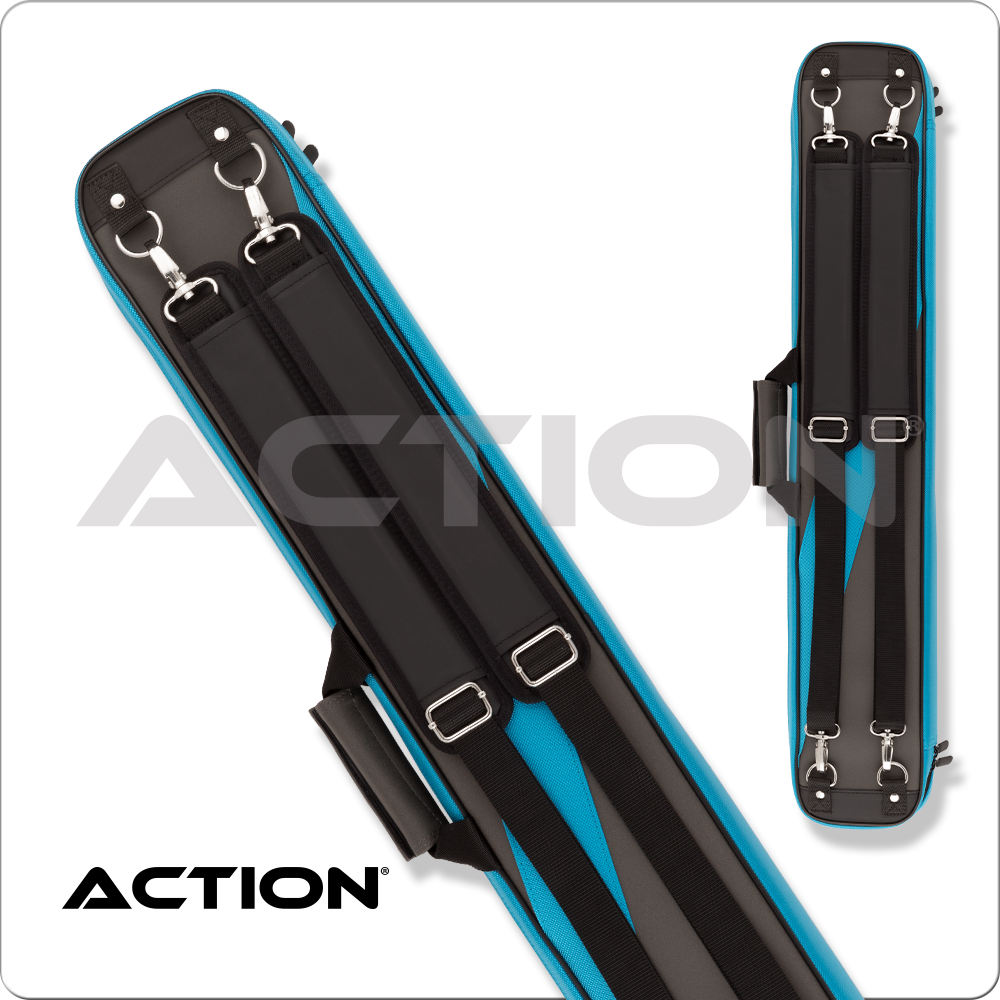
While capacity is important, it is not the only factor to consider. The right cue case should feel right in your hand and on your shoulder. Pay attention to how the handle sits, how the strap fits across your body, and how easy it is to open or close.

Look for solid padding that absorbs impact. Hard cases protect better when you travel by car or plane. Soft cases are lighter and easier to carry around town. Some players prefer hybrid models that blend the two.

Material also matters. Leather and high-grade vinyl are popular because they resist scratches and hold up under daily use. Nylon and canvas offer lighter options that still provide good protection for casual players.

You should also think about storage compartments. Having a few pockets for chalk, gloves, and a tip tool is convenient. But too many compartments can make a case bulky and hard to manage. Keep it simple.

Read More: Hard vs Soft Pool Cue Cases: Which One Protects Better?

Matching Your Case to Your Playing Style

If you play occasionally and just need something to protect your cue, a small case is perfect. It keeps your gear safe and easy to handle.

If you play a few times a week and like having a spare shaft or a jump cue, a medium size case like a 2×2 or 2×4 is ideal. It fits most setups and still feels light enough to carry anywhere.

If you compete or travel frequently, you will benefit from a larger case. It helps you organize all your cues, shafts, and tools so that you can focus on your game instead of your gear.

Think about your habits. How often do you play? How far do you travel? How much equipment do you actually use? The answers will guide your choice naturally.

Comfort and Practicality

Many players overlook comfort until they carry their case for an hour. A comfortable shoulder strap or balanced handle makes a big difference. You want the weight to feel even and the case to stay stable as you walk.

Also, make sure the case opens and closes smoothly. A tight or tricky latch might sound like a small issue, but it becomes annoying fast. Quality zippers or magnetic closures save you time and effort.

Another key factor is how the cues fit inside. The shafts and butts should slide in without friction but also stay secure when the case is upright or tilted. Loose fittings can cause movement that leads to damage.

If you can, test the case before buying. Feel the texture, check the stitching, and try loading your cue in and out. The best case is the one that feels natural in your hands.

Durability and Long-Term Value

A good cue case should last for years. Even if you start small, it pays to choose one that is well built. Look for thick lining, clean seams, and sturdy hardware. These details often separate budget cases from quality ones.

Spending a bit more upfront saves money later. A durable case keeps your cue safe from dents, warping, or moisture. It also holds its shape and looks good even after regular use.

For players who see pool as a long-term passion, investing in a solid case is a simple but wise move. It protects your cue, and it shows that you take your game seriously.

A Choice That Works for Everyone

If you are unsure which way to go, a 2×2 or 2×4 cue case is the safest and smartest option. It has enough space for your main cue and a backup shaft. It fits the needs of beginners, casual players, and advanced players alike.

This size offers flexibility as your game evolves. You can start with one cue and later add more without needing a new case. It is portable, protective, and practical in nearly every situation.

A 2×2 or 2×4 case gives you room to grow while keeping your setup clean and organized. It is the balanced middle ground between minimalism and full competition gear.

Final Thoughts

Choosing the right pool cue case size is not about showing off or collecting equipment. It is about matching your gear to your real habits. A case that fits your routine will make every trip to the table easier and more enjoyable.

If you are just starting out, go simple. If you play regularly, give yourself a bit more space. If you compete, choose something built to handle the road.

But if you want one clear choice that works for almost everyone, go with a 2×2 or 2×4 case. It covers all bases, keeps your cue protected, and stays by your side as your game grows.

That balance is what makes the difference between just owning gear and truly owning your game.